Due to high cost, 25pc of cancer patients at Karachi's JPMC abandon treatment, experts say
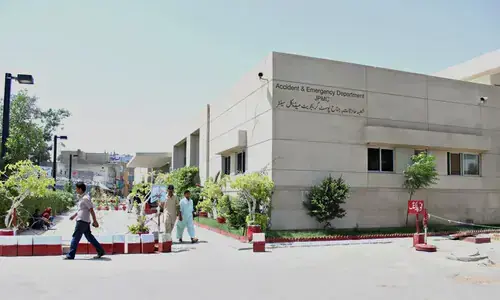
KARACHI: Around 25 per cent of cancer patients at the Jinnah Postgraduate Medical Centre (JPMC) are unable to complete their treatment, speakers said on the concluding day of a two-day conference, attributing the situation to the high cost of newer therapies and inconsistent philanthropic assistance.
The event titled Breastcon 2026 was organised by JPMC.
According to speakers, while the province’s largest tertiary-care public-sector hospital offers surgery and radiotherapy free of charge, the high costs of newer immunotherapies and targeted therapies force many patients to discontinue treatment.
Regretting the situation, JPMC’s head of the oncology department, Dr Ghulam Haider, called for permanent government assistance to help patients complete treatment.
Complete cancer care costs Rs3-4m, with many patients unable to afford newer therapies, says oncology dept head
“Cancer care at JPMC is supported by philanthropists, charities and Zakat funds, but this assistance is not consistently available. Gaps in medicine supplies and funding can interrupt treatment and affect its outcomes,” he said, emphasising that reliance on charitable donations alone was insufficient.
According to him, the overall cost of complete cancer care, including surgery, radiotherapy, medicines and injections, ranges from Rs3 million to Rs4m. The management of complications arising from chemotherapy can further increase costs.
“Some patients return home after exhausting their resources and come back months later with larger tumours,” he told the audience.
JPMC assistant professor of medical oncology Dr Saima Zahoor, who was also the conference co-chair, said that more than 60pc of breast cancer patients faced delays in diagnosis or treatment.
“Social pressure, fear, misconceptions and treatment costs contribute to these delays. Others fear [that a] biopsy will spread cancer and turn to alternative treatments, losing months before reaching a hospital,” she lamented.
She also spoke about HER2-positive breast cancer, an aggressive form of the disease in which cells produce excessive amounts of the human epidermal growth factor receptor 2 (HER2) protein, causing tumours to grow and divide faster. She said the condition might require expensive targeted medicines. At the same time, seeking assistance from Baitul Mal or charities could further delay care.
“Women should consult a qualified doctor about unusual breast changes. Early diagnosis and timely treatment improve the chances of recovery,” she noted.
JPMC general surgeon Dr Syeda Zareen Raza said that some patients could undergo breast conservation or oncoplastic surgery, adding that fears about appearance, hair loss and social attitudes could discourage them from seeking treatment.
Dr Sana Zeeshan of Aga Khan University Hospital called for a national breast cancer registry that combines records from public, private, and charitable hospitals. Data on disease stages, treatment, recurrence and survival would help identify gaps and guide research, she said.
Dr Najeeb Naimatullah of Shaukat Khanum Hospital called for organised screening, access to quality local and generic medicines and consideration of patients’ financial circumstances in treatment.
Chief guest Dr Tariq Rafi, chairman of the Sindh Higher Education Commission, urged stronger screening, cooperation between institutions and medical research, while offering the commission’s support to researchers through available funding.
Published in Dawn, October 12th, 2026