THERE is an undeniable correlation between economic deprivation and disease in Pakistan. With over 60 million citizens languishing below the poverty line, the financial barriers in the way of access to basic healthcare are insurmountable.
Consequently, preventable medical conditions are routinely left unaddressed until they degenerate into complex, chronic and difficult-to-treat pathologies. This is how the tragic cycle of poverty moves: economic constraint breeds disease, and disease accelerates financial ruin.
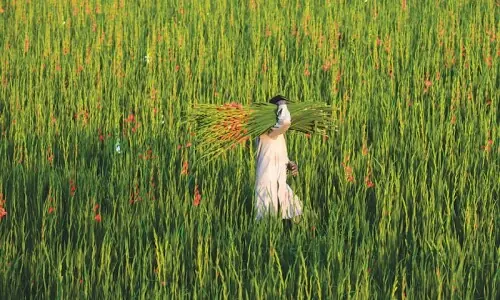
Across rural peripheries, local primary care facilities, where they exist at all, function merely as empty shells. There is an acute, systemic shortage of local secondary hospitals, qualified physicians and trained nursing staff both willing and equipped to serve the marginalised populations. While urban centres see a disproportionate concentration of tertiary care hospitals, rural citizens are exposed to a high incidence of preventable diseases with virtually no institutional safety net to catch them.
Pakistan currently bears an alarmingly disproportionate share of the regional burden of communicable diseases. These epidemics are not random biological misfortunes; they are the direct, predictable consequences of deep-seated structural and environmental failures. The crisis is compounded by unchecked overpopulation, lack of access to safe drinking water, chronically inadequate municipal sanitation systems, depressed health literacy among the public, and inconsistent immunisation coverage.
The state must take decisive, legislative steps to ensure that high-quality healthcare is democratised. This demands a substantial escalation in public health budgets, strict regulatory oversight regarding pharmaceutical and clinical standards, and the immediate rehabilitation of basic health infrastructure in neglected rural sectors. Institutional shifts must be met with active grassroots mobilisation.
Individual and community involvement is vital to turning the tide against public health crises. Pakistan cannot build a resilient or competitive economy on the back of a chronically ill, undernourished workforce. That being so, public health must be prioritised as the core pillar of national security and economic strategy.
Meena Ishaque
Karachi
Published in Dawn, October 7th, 2026