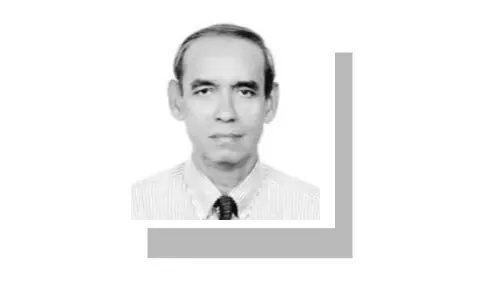
THE new National Cybercrime Investigation Agency chief, Ali Nasir Rizvi, has adopted a “zero-tolerance policy against fake news and anti-state propaganda”, according to the agency. Troublingly, neither ‘fake news’ nor ‘anti-state propaganda’ has a clear, legal meaning, and the fact that these terms are now centrepieces in the NCCIA’s policy gives rise to concerns about what the state’s priorities truly are. The authority’s mandate includes protecting citizens from fraud, harassment, blackmail, and financial scams. It recently shut down several fraudulent call centres, showing it can deliver well on those responsibilities. Monitoring and policing opinion are something else altogether. Further, the fact that the NCCIA has established ‘cyber patrolling units’ in every region is alarming. Why is the authority engaging in mass public surveillance? What is being monitored, for what purpose, and under what legal authority? Who will be providing oversight, and how will citizens be protected from excessive surveillance? Since the DG has promised merit and transparency, he should satisfy the public in this regard.
It is worth pointing out here that these special units for surveillance sit atop the 2025 Peca amendments, which criminalised spreading ‘false’ information, amid strong protests from journalists and rights groups. The timing of the announcement also comes amidst a deadlock between the government and the opposition over protests announced by the latter. In such a charged political environment, the message would seem to be that dissent, not disinformation, is the actual target. It is hoped that the NCCIA will act with restraint and transparency to avoid cementing that perception. The authority must avoid politicising its work. Misinformation and disinformation do real harm; the answer to them is fast, credible official communication, improved media literacy, and platform accountability, not prosecution and lawfare. The state must build trust with the public if it wishes to defeat what it calls ‘fake news’ and ‘propaganda’.
Published in Dawn, October 6th, 2026