• 100,000 workers lose jobs in Faisalabad amid closure of 40pc units
• Loom owners blame cheaper Chinese yarn, grey cloth, finished textile products
• Industry body seeks stronger Customs checks to curb ‘under-invoicing’
LAHORE: A large number of small power loom units have shut down as the industry struggles with rising imports of yarn and grey cloth from China, and higher utility bills and taxes.
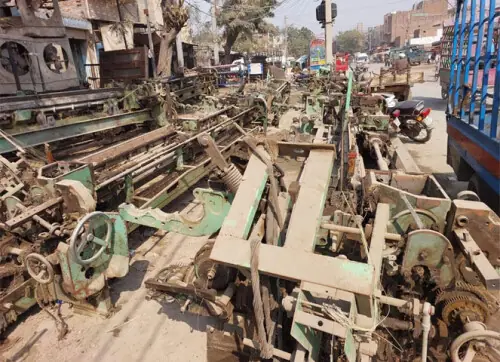
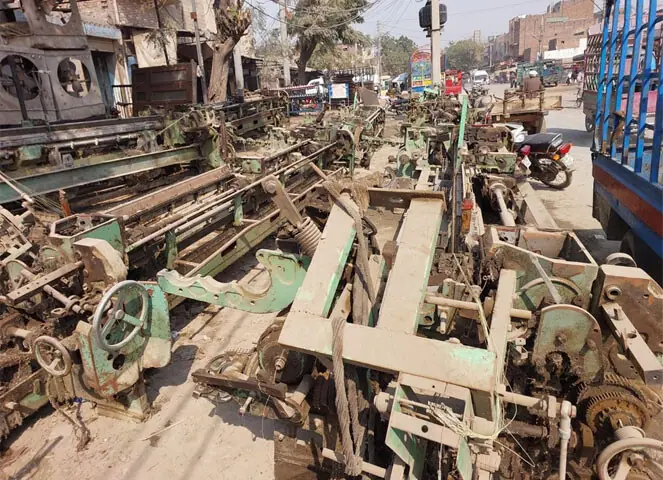
The situation has worsened in Faisalabad and adjoining towns — a hub of power looms and allied industries, including sizing — where thousands of workers have lost their jobs. Around 40 per cent of units have shut down in a sector comprising nearly 800,000 looms, Dawn has learnt.
“This small industry is in great trouble these days because it is no longer competitive in a market dominated by Chinese yarn, grey cloth and even finished cloth being imported in bulk,” Textile, Power Loom and Garment Workers Union Faisalabad President Aslam Meraj told Dawn on Tuesday.
He said imported textile products were cheaper than locally produced goods, while rising utility bills and taxes had made it increasingly difficult for power loom operators to survive.
“More than 100,000 power loom workers have become jobless. Power looms are being closed on a daily basis and workers are being terminated,” he claimed, criticising the government for failing to protect the local industry.
Faisalabad, often described as the Manchester of Pakistan because of its concentration of textile and allied industries, has nearly 800,000 power looms operating in establishments ranging from small workshops to factories housing between 1,000 and 5,000 looms. Power looms manufacture grey cloth from yarn after it is processed at sizing units.
Industry representatives said yarn imported from China was largely polyester-based and was being used by exporters to manufacture grey cloth, some of which entered the domestic market when exports declined. They argued that cheaper imported yarn, grey cloth and finished products had put local power loom operators at a disadvantage.
“The industry, especially small power looms and sizing mills, is facing serious problems at the moment,” Faisalabad Sizing Mills Association President Shakil Ansari said.
He said locally produced yarn, ranging from counts 40 to 100, was used to manufacture products from grey cloth to finished garments for men and women, but Chinese imports had increasingly captured the market.
Mr Ansari also said border closures had disrupted the movement of locally produced cloth to Afghanistan and Central Asian states, while road closures, particularly on routes leading to Khyber Pakhtunkhwa, had affected trade in grey cloth.
Payments from traders in KP had also been delayed because of the disruption in business, he said.
“All these issues, coupled with high utility bills and taxes, have brought the industry to a grinding halt,” Mr Ansari said.
Muhammad Sabir, who owns a unit comprising 44 power looms in Faisalabad, criticised the government for allowing imports of yarn, grey cloth and finished textile products from China.
“I don’t know why the government has allowed imports of Chinese thread and other textile-related goods at the cost of its own businesses,” he said while talking to Dawn.
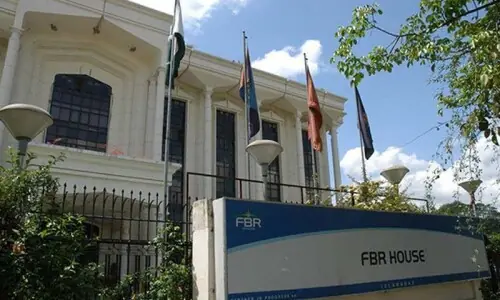
He also complained about high utility bills, Federal Board of Revenue (FBR) taxes and labour inspections. “What to do, where to go?” he asked.
Tighter import checks sought
Meanwhile, the Council of Loom Owners Association has written to Commerce Minister Jam Kamal, seeking stronger import valuation controls through verification of export declarations.
The association said under-invoicing in imports, particularly of fabrics, yarn and other textile products from China, remained a serious concern for domestic manufacturers.
It alleged that some goods were being exported from China at higher declared values but lower values were being declared when they entered Pakistan to reduce duties and taxes, resulting in unfair competition for domestic manufacturers and loss of government revenue.
“Pakistan and China already have an Electronic Data Exchange mechanism between their Customs administrations to address misdeclaration and under-invoicing. However, the mechanism needs to be strengthened for consignment-level verification of values and particulars declared in Pakistan against the corresponding export declaration filed with Chinese Customs,” the association said in its letter.
It proposed that importers be required to submit, along with the Goods Declaration filed in Pakistan, a copy of the corresponding Chinese Export Customs Declaration or Customs Declaration Form for Export Goods.
The declared value, HS code, description, quantity and other shipment details in the Chinese export declaration could then be reconciled with the Pakistani goods declaration and supporting commercial documents, it suggested.
Any material discrepancy could become the basis for further scrutiny, while allowing for legitimate differences on account of freight, insurance and terms of trade.
Published in Dawn, October 7th, 2026