Parliamentarians urge government to avoid long-term energy contracts
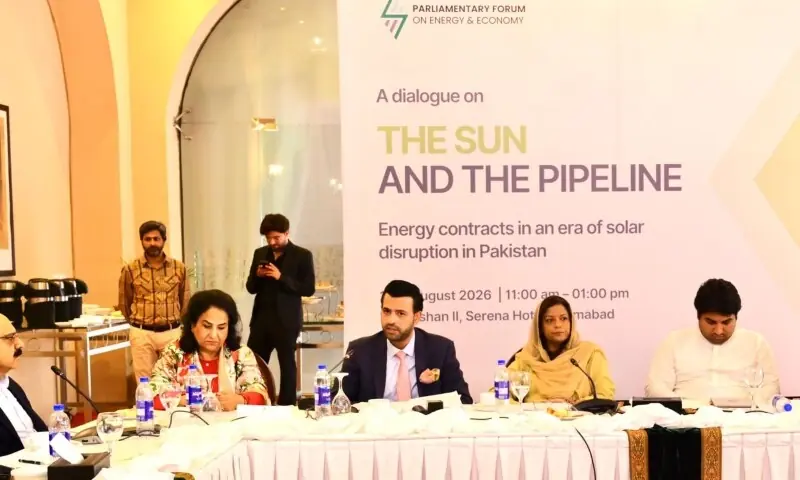
ISLAMABAD: Parliamentarians and energy experts urged the government to avoid long-term energy contracts that could trap Pakistan in costly take-or-pay obligations and contribute to circular debt, and instead adopt a more flexible approach towards fuel imports amid rapid solarisation.
The discussion took place at a dialogue titled ‘The Sun and the Pipeline: Energy Contracts in an Era of Solar Disruption in Pakistan’ convened by the Parliamentary Forum on Energy and Economy. The dialogue examined Pakistan’s changing RLNG requirements, the impact of geopolitical risks and global market volatility, and policy options to protect consumers while maintaining energy security.
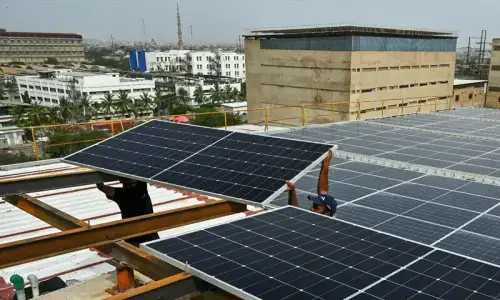
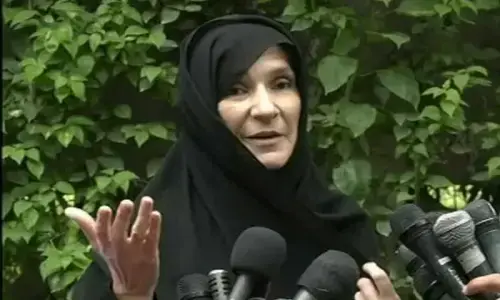
Forum’s Convener Dr Nafisa Shah said Pakistan must rethink its energy mix and regulatory frameworks in light of the rapid deployment of solar energy. “Pakistan has deployed an estimated 50 GW of solar capacity across its rooftops and other segments. Our energy policies must reflect this new reality and ensure that people finally receive the affordable energy they have missed for so long because of long-term take-or-pay contracts that have trapped us in prohibitively expensive electricity,” she said.
MNA Barrister Danyal Chaudhry, secretary of the Parliamentary Forum on Energy and Economy, said the debate should move beyond viewing solar and gas as competing alternatives. “We should not ask whether Pakistan chooses the sun or the pipeline. We should ask how the sun, the pipeline, the grid and emerging technologies can work together to provide Pakistan with affordable, reliable and secure energy,” he said.
Forum discusses policy options to protect consumers while maintaining energy security
Muhammad Arif, former member of gas at Ogra, emphasised the need to integrate energy governance and develop mechanisms to monetise surplus solar generation, particularly during periods of high solar output. Asim Riaz, energy advisor at the All-Pakistan Textile Mills Association, said Pakistan’s LNG challenge was no longer solely about securing supply. “Pakistan’s LNG challenge is about demand, flexibility, affordability and market design. The sun has not eliminated the need for LNG. It has changed when RLNG is needed, how much is needed, and what kind of LNG portfolio Pakistan can afford,” he said.
Energy journalist and Energy Flux founder Seb Kennedy noted that Pakistan was experiencing a consumer-led energy transition faster than the state’s planning system could adapt. The transition, he argued, was driven by high tariffs, unreliable supply and falling solar costs, rather than central planning.
Huma Chughtai called for greater consistency and clarity in policymaking, particularly in understanding supply, demand and the wider challenges facing Pakistan’s economic and energy sectors.
She emphasised the need for stronger representation of the Planning Division in the policy process.
Published in Dawn, August 28th, 2026