Ride-hailing firms oppose district-specific permits in Punjab
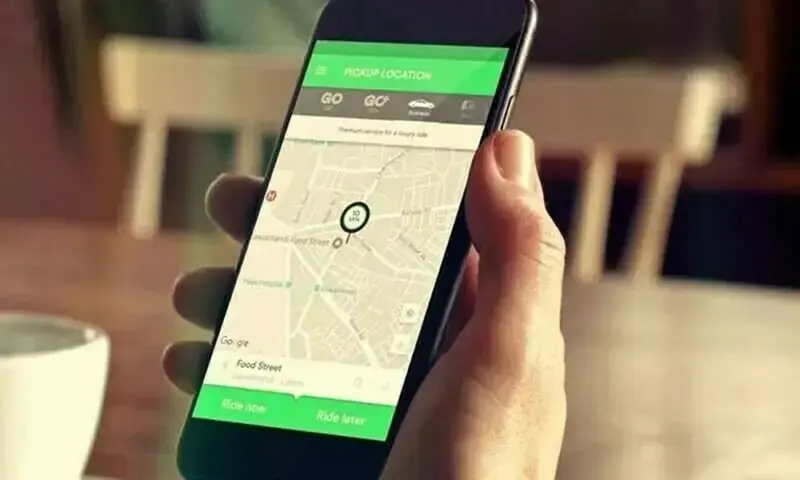


LAHORE: Punjab’s decision to formally bring ride-hailing services under the Motor Vehicles Ordinance 1965 may create significant practical difficulties for thousands of drivers whose livelihoods depend on the flexibility of app-based transport.
Stakeholders say that the main concern is the requirement for ride-hailing vehicles to obtain district and platform-specific permits under Section 44B of the Motor Vehicles Ordinance 1965. In practice, drivers operating across multiple districts or using more than one ride-hailing app could need several permits, each requiring separate renewal.
The burden is particularly significant in large urban centres, where drivers routinely cross administrative boundaries during a single shift.
They say that since app-based drivers accept bookings without knowing the destination in advance, they may enter several districts in one day, creating a mismatch between how ride-hailing services operate and how the permit regime is structured.
Want single provincial permit linked to driver or vehicle backed by centralised digital registration set-up
While the government says the measure will improve passenger safety, accountability and regulation of the rapidly expanding sector, the industry argues that unlike conventional public transport, ride-hailing drivers have no fixed routes and cannot predict where trips will take them.
“The proposed system will significantly increase the regulatory and financial burden on drivers using multiple platforms,” deplores a ride-hailing company executive. “A driver operating in two districts on two apps could require four permits, each involving separate fees and paperwork.”
He argued this would further squeeze the incomes of full-time and part-time drivers already struggling with rising fuel, maintenance, insurance and financing costs.
While supporting regulation of passenger safety, vehicle standards, driver accountability, insurance and taxation, he said the framework must reflect the realities of the digital economy. He proposed a single provincial permit linked to the driver or vehicle, backed by a centralised digital registration system.
“This regulatory initiative is welcomed,” he said, adding that the permit regime should be reviewed to avoid unnecessary costs and geographical restrictions.
Published in Dawn, July 28th, 2026