1
1

THE murder of five workers from Punjab in Mashkel is another grim reminder that ethnic violence remains a persistent feature of Balochistan’s fragile security landscape. The targeting of civilians on the basis of their ethnicity underscores the continued ability of terrorist groups to exploit fault lines and perpetuate insecurity in the province. Such killings must be unequivocally condemned.
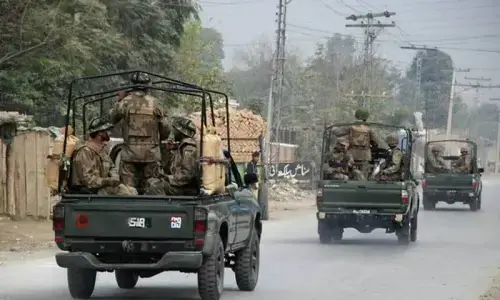
The attack is part of a fresh surge of terrorism, that defies ongoing counterterrorism operations, in which security forces have killed 109 terrorists since early July. It is clear that decades of operations, militant losses and official assurances have not achieved the desired results, and tactical victories against terrorist groups have yet to translate into lasting security for ordinary citizens.
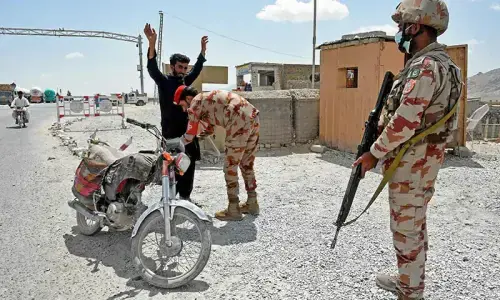
The targeted killing of workers from Punjab is not a new development. Over the years, workers and travellers hailing from Punjab have been singled out after identity checks on highways or at their places of work. Such attacks deepen ethnic divisions and spread fear among ethnic minorities. Those who incite hatred or seek to justify such crimes do no service to Balochistan or to the legitimate aspirations of its people. Instead, they perpetuate instability, discourage investment and development, and inflict suffering on the very communities whose cause they claim to champion.
Preventing such attacks needs far more than periodic crackdowns, warnings of stern action or ritual condemnations. It demands better intelligence, more effective policing and stronger coordination among security agencies. Breaking the cycle of violence requires dismantling the networks, support structures and conditions that enable such acts, while those responsible must be identified, prosecuted and punished in accordance with the law.
However, experience has repeatedly shown that security operations alone cannot deliver enduring stability. The deeper roots of Balochistan’s insecurity cannot be ignored. Achieving long-term peace would mean addressing the province’s long-standing political, economic and governance deficits that have fuelled alienation among the people.
That said, it is important to note that violence, particularly against ordinary people, can never be tolerated or rationalised. Balochistan deserves peace, development and the rule of law. So do workers from Punjab or any other place. Until the cycle of ethnic killings is broken and the underlying drivers of conflict are addressed, the claims of durable stability in Balochistan will remain difficult to sustain.
Published in Dawn, July 14th, 2026