Historic Jhelum library eyes former glory with latest restoration


 0
0
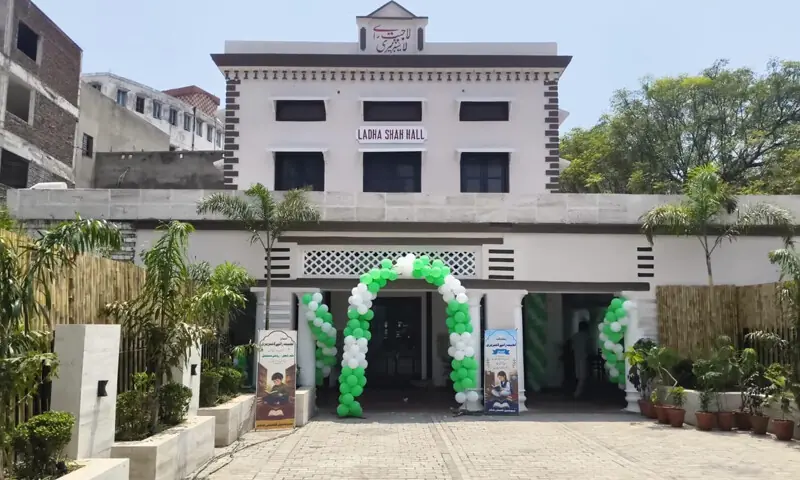

Tucked away in the heart of the old city, the historic library once known as Lala Lajpat Rai Library has entered a new chapter. After decades of neglect, the Jhelum district administration has restored the pre-partition institution, reviving a place that has served generations of readers and scholars and preserving a significant piece of the city’s cultural heritage.
According to official records, the library was established before the partition of the subcontinent by Lala Goran Dutta Mal, a retired government officer from Jhelum, in memory of his father, Lala Ludha Shah Bandra.
It was managed by the Servants of the People Society, the social welfare organisation founded by renowned freedom fighter and reformer Lala Lajpat Rai, after whom the institution was named. Its central hall was dedicated as Lala Ludha Shah Hall.
The library was formally inaugurated on May 3, 1936, by Dr Gopi Chand Bhargava. Following the creation of Pakistan in 1947, it was renamed Allama Iqbal Public Library, a name it continues to bear today.
The building stands as a reminder of Jhelum’s rich educational and literary traditions. Although its name changed after independence, its original purpose remained intact – to provide free access to books, newspapers and learning for the public.
Lala Lajpat Rai (1865-1928), popularly known as Punjab Kesari (the Lion of Punjab), was among the foremost leaders of the Indian independence movement against the British Raj. A lawyer, author and social reformer, he played a leading role in public life and was one of the famous Lal-Bal-Pal trio. He was born on January 28, 1865. His father, Munshi Radha Krishna, was an Urdu and Persian teacher. Lala Lajpat Rai was a law graduate from Government College Lahore, from where he turned into a revolutionary against the British Raj. He died from injuries sustained during a police baton charge while leading a peaceful protest against the Simon Commission in Lahore in 1928.
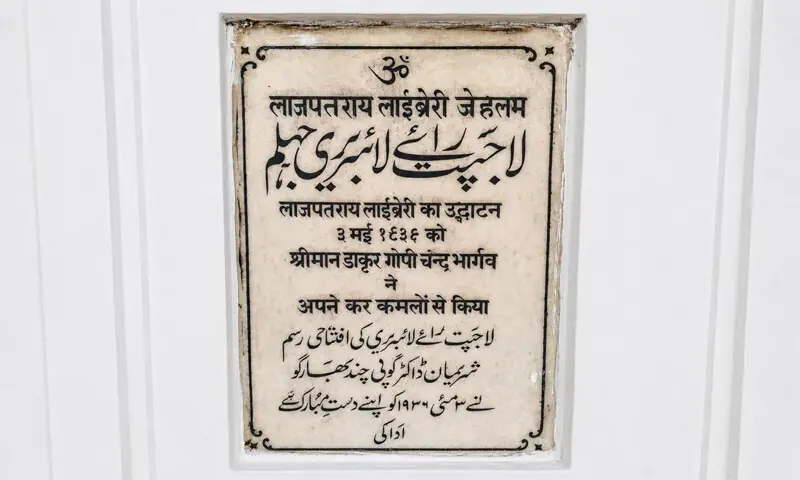
Besides his political career, Lajpat Rai promoted education and public welfare. In memory of his mother, Gulab Devi (who had died of tuberculosis), he established a trust for a tuberculosis hospital in Lahore, which later became the Gulab Devi Hospital, one of the region’s leading health-care institutions.
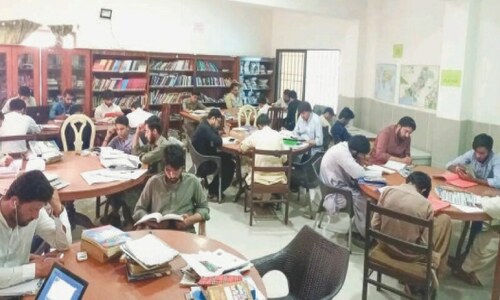
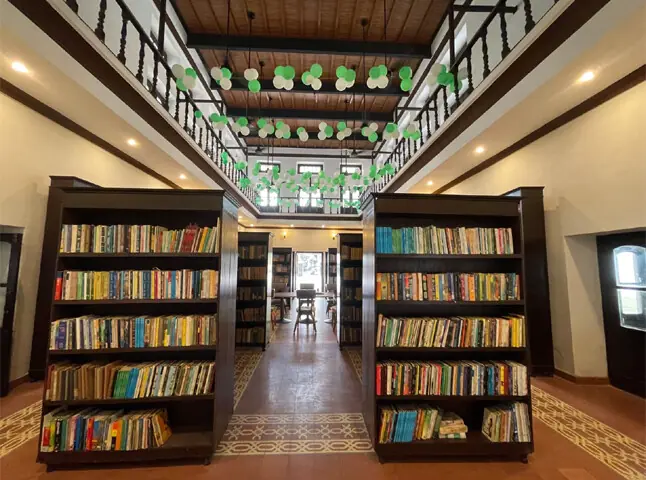
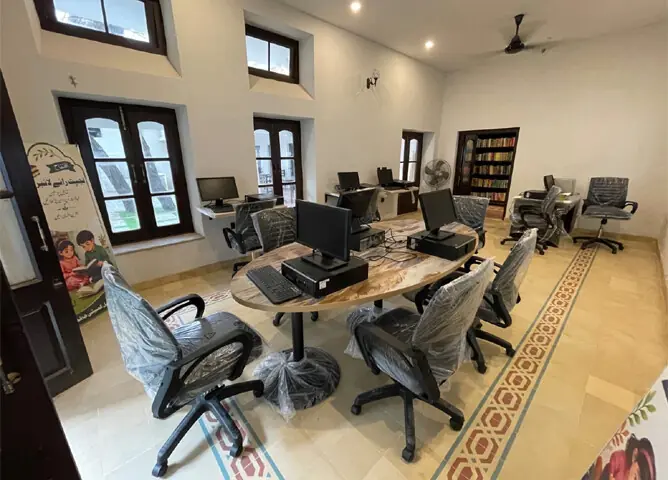
The recently completed restoration work on Lajpat Library in Jhelum has transformed the once dilapidated structure into a modern reading facility while retaining its historic character. Comfortable furniture has replaced worn-out fixtures, reading halls have been renovated and computer facilities introduced for students and researchers.
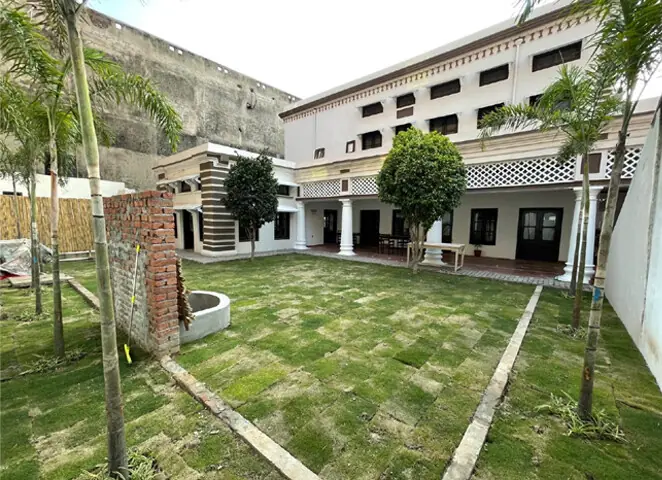
According to the Deputy Commissioner Mir Reza Ozgen, the refurbished library now houses around 5,000 books, daily newspapers and six computers for readers. The facility also includes study areas furnished with sofas, tables and chairs to provide a comfortable environment for students preparing for examinations and researchers pursuing academic work, while a special study room has also been dedicated for lady members.
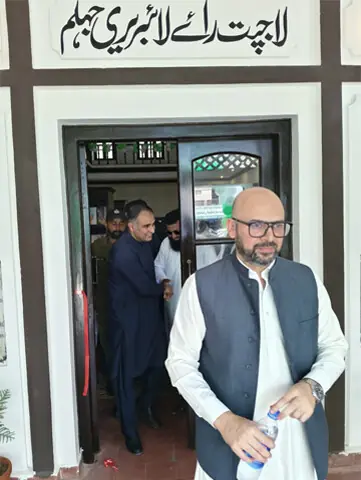
Speaking at the inaugural ceremony, Minister of State for Finance and Railways Bilal Azhar Kiyani said libraries remained the true storehouses of knowledge and stressed the need to revive reading habits among the younger generation.
“There is a dire need for our youth to return to libraries and develop the habit of reading books and newspapers. A reading culture is essential for learning, critical thinking and character building,” he said.
The minister said the restoration was aimed not only at preserving an important historical building but also at creating a welcoming public space for education and intellectual growth.
Areej Fatima, a student of English Literature at Government College University Lahore, after her visit to the venue said a public library is an irreplaceable sanctuary that opens the doors to limitless knowledge. It provides free access to expansive worlds of literature, academic journals, and diverse perspectives.
Published in Dawn, July 13th, 2026