Pakistan mulling purchase of cheaper oil, gas from Iran: petroleum minister

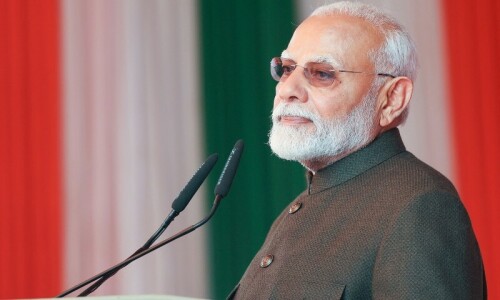
LAHORE: Petroleum Minister Ali Pervaiz Malik on Sunday said that Pakistan was “considering” purchasing cheaper Iranian oil and gas.
The option of sourcing Iranian crude oil supplies has again become available to Pakistan after a temporary easing of US sanctions on Tehran. By availing this opportunity, Pakistan could source discounted crude and refine it locally to produce higher-value petroleum products.
Sourcing crude oil from Iran could generate import cost savings of $170-340 million for Pakistan, assuming it imports 10-20 per cent of its total petroleum requirement at a discount, including freight savings.
But, while industry experts say local refineries are technically capable of processing Iranian crude, commercial and operational challenges remain, particularly due to the high furnace oil yield and the absence of significant domestic demand for the fuel.
Against this backdrop, Malik said while speaking to the media in Lahore that Pakistan was now mulling sourcing cheaper crude oil from Iran.
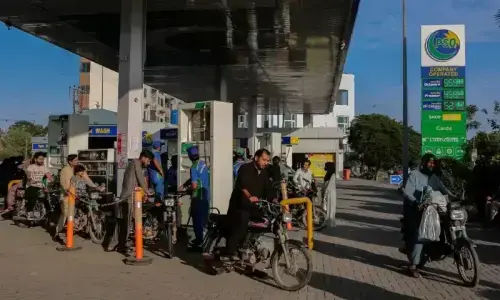
He added that the government was “active regarding the reduction in oil prices”, noting that the rise in petrol and diesel prices had created difficulties for the entire nation.
But, that difficult phase had passed, he added. “Good times are coming now,” he said, further stating that the government had significantly reduced petrol and diesel prices.
On June 19, Prime Minister Shehbaz Sharif announced a Rs74 reduction in petrol prices and a Rs67 cut in high-speed diesel prices as the government sought to pass on the benefit of declining international oil prices.
The development came as tensions eased in the Middle East following the US-Iran interim peace deal and the restoration of energy shipping in the Strait of Hormuz. The blockade of Hormuz had resulted in a sharp increase in international oil prices, which went down following the easing of tensions.
Malik maintained that the reduction in local prices was more than the one in international oil prices.