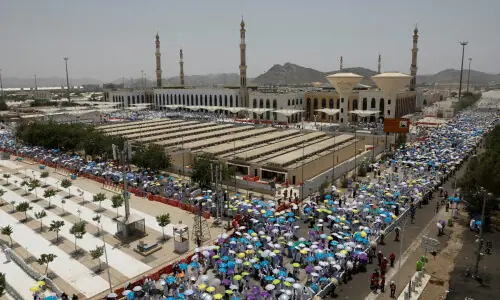
AS Muslims across the world observe Eidul Azha, this year’s festival arrives while war engulfs large parts of the Muslim world.
The US-Israeli military campaign against Iran, launched earlier this year and continuing despite ceasefire negotiations, has deepened fears of a wider regional conflagration. Even as Pakistan, Qatar and Oman work frantically to broker a settlement, tensions remain high.
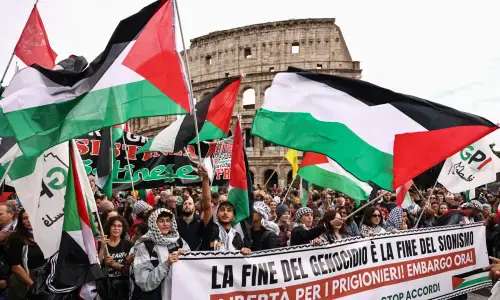
Meanwhile, the devastation in Gaza continues. Families that once gathered for Eid meals now search for food and shelter amid shattered neighbourhoods and mounting civilian deaths. In Sudan, millions displaced by civil war face another Eid in overcrowded camps dependent on dwindling humanitarian aid. Across parts of Lebanon and Yemen, conflict and economic collapse have robbed countless families of the peace and togetherness the festival aims to bring. For many Muslims this year, Eid will pass not in celebration, but in grief, fear and hardship. Yet perhaps this is precisely when Eid’s deeper meaning matters most. Eidul Azha commemorates sacrifice not merely as ritual, but as an expression of faith and compassion for others. It reminds Muslims that devotion cannot be separated from empathy for those enduring hardship. In times such as these, the obligation to help those less fortunate becomes even more urgent. Donations to relief efforts, support for struggling families and acts of kindness within communities reflect the essence of the occasion far more meaningfully than displays of extravagance.
Pakistan celebrates Eid while grappling with economic strain that continues to weigh heavily on ordinary households. Still, Eid remains a time of shared humanity. Communities often come together during hardship with a generosity that transcends financial circumstances. This spirit deserves strengthening. At the same time, one unfortunate pattern continues to mar the festival every year: neglect of cleanliness after animal sacrifice.
In many cities, animal waste and remains are left exposed on streets and in drains for hours — sometimes days — creating serious health and environmental hazards. The Pakistan Air Force has issued an especially important warning this year: “We fly to protect our motherland. Safeguard our aircraft and pilots from dangerous bird strikes by ensuring proper disposal of slaughtered animal waste this Eid.” Improper disposal attracts birds near flight paths, increasing the risk of potentially catastrophic accidents. Let us honour the spirit of Eid through humanity, restraint and respect for the public good.
Published in Dawn, May 27th, 2026