Pivoting towards buses, again


 0
0

For the longest time, flagging down a rickshaw, a bus or a taxi was simply how you got around if you did not own a car. Then, Careem and Uber arrived as a lifeline for urban mobility, and despite the many platforms folding up since then, ride-hailing as a sector seems to have become a permanent fixture.
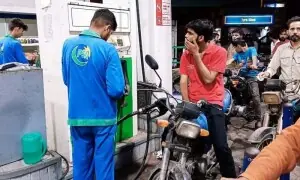
It has been a particular lifeline for the salaried class. But with fuel prices where they are, the economics are shifting again. Since the US dropped the first bomb on Iran, petrol prices have risen 64 per cent from Rs253 at the end of February to Rs415 in May, before the last two price cuts.
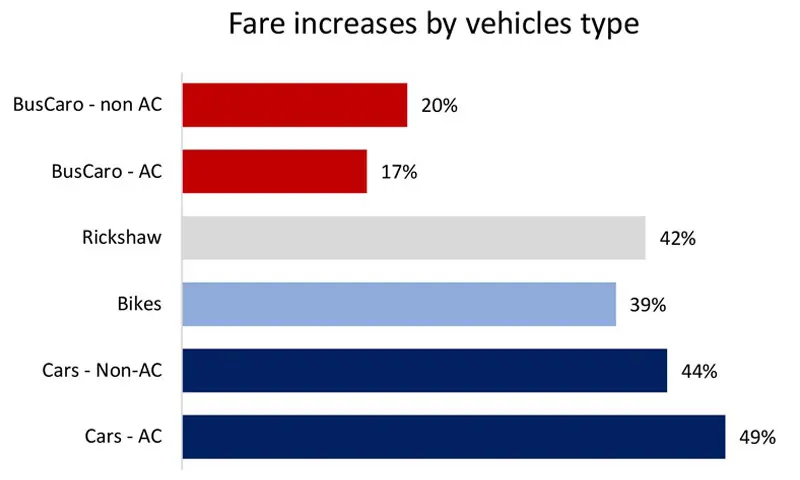
According to data provided by BusCaro, fares for air-conditioned cars on competing ride-hailing apps have nearly doubled during peak hours on a 20-kilometre trip. Yango, meanwhile, says average fares have increased by around 20pc in Karachi and Lahore, and up to 35pc in Islamabad and Rawalpindi, driven by longer distances and higher fuel consumption per ride.
With high taxes and persistent inflationary pressure, commuting is eating up a growing share of monthly incomes. This is prompting a rethink of urban transport economics. One possibility is a gradual pivot back towards decentralised mass transit models. While Airlift and Swvl both tried and failed because their unit economics did not hold, their businesses were built at lower fuel prices when the cost advantage of a large vehicle over a small one was less pronounced.
BusCaro aggregates pick-up and drop-off points across fixed routes, a model that is structurally less exposed to fuel price swings than smaller vehicles. From a profit-and-loss perspective, BusCaro is growing, claims founder and CEO Maha Shahzad.
Similarly, Yango has recently launched a corporate ride service, ‘Yango Rides for Business’ with vehicles ranging from three-seaters to 62-seat buses, and is pitching companies savings of up to 30pc on employee transport costs.
Published in Dawn, The Business and Finance Weekly, May 25th, 2026