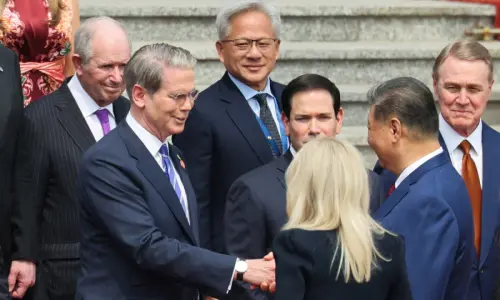
PRIME Minister Shehbaz Sharif’s trip to China presents an opportunity to rebalance Pakistan’s economic partnership with its closest strategic ally at a time when Islamabad is seeking new avenues for export growth, industrial cooperation and durable economic stability. While the 75th anniversary of diplomatic relations between Pakistan and China provides a symbolic backdrop to the visit, its real significance lies in the strengthening and evolving economic ties between them. Over the past decade, China has emerged as our largest trading partner, a major source of infrastructure investment under CPEC, and a key provider of balance-of-payments support. Mr Sharif’s visit signals an effort to take this relationship into a more productive, investment- and trade-oriented phase.
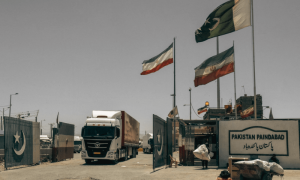
Pakistan’s decision to seek tariff concessions on around 700 product lines under a proposed third phase of the free trade agreement is part of an effort to expand its exports in the Chinese market. It wants parity with concessions granted to Asean and African countries that could enhance the competitiveness of Pakistani products in China. Lately, both sides appear to be moving towards addressing practical barriers that have constrained Pakistani exports to China. The signing of the Sanitary and Phytosanitary and Technical Barriers to Trade protocols is a positive step that could enable exporters to access the Chinese market more effectively. Likewise, proposals such as a ‘green channel’ at Khunjerab stress on improving trade facilitation and reducing logistical bottlenecks. Islamabad’s effort to encourage long-term procurement arrangements between Chinese SOEs and Pakistani exporters could provide stability and predictability and aid supply chain integration. Pakistan appears to be approaching its trade ties with China with greater clarity. Policymakers recognise that preferential market access alone is insufficient; improving productivity, upgrading industrial capacity and enhancing export competitiveness are equally essential. The current negotiations therefore represent not merely an effort to secure better market access, but also part of a broader strategy to reposition Pakistan within regional and global supply chains. If managed effectively, deeper Sino-Pak economic cooperation could boost exports, reduce trade imbalances and create new industrial and investment opportunities. The key challenge will be to complement this opportunity with domestic reforms to improve competitiveness, boost productivity and enable businesses to capitalise on greater access to the Chinese market.
Published in Dawn, May 24th, 2026