Battery storage system is missing link in Pakistan’s solar revolution


 0
0

• Expert notes adoption of renewable energy reaction to rising fuel prices
• Panelist says after solarisation, consumers not captive to grid anymore
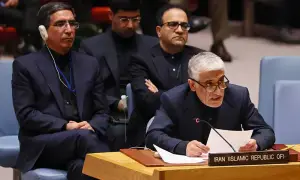
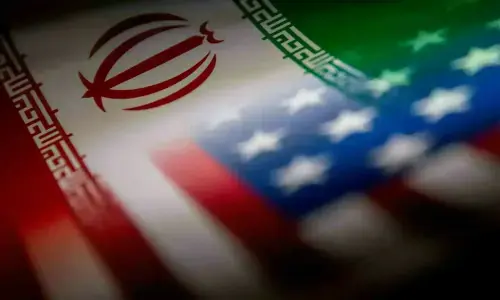
ISLAMABAD: Solarisation shielded Pakistan from the energy crisis that engulfed the globe following the US-Israel’s war on Iran, energy experts said, hoping that the ongoing crunch — described by one panelist as the ‘black swan event’ — would spur a battery storage revolution in the country.
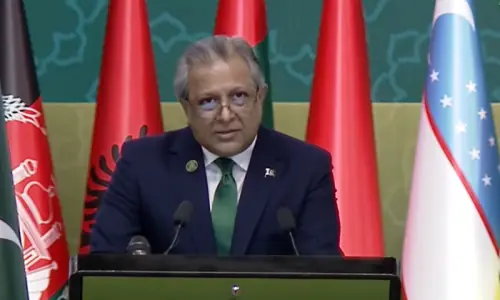
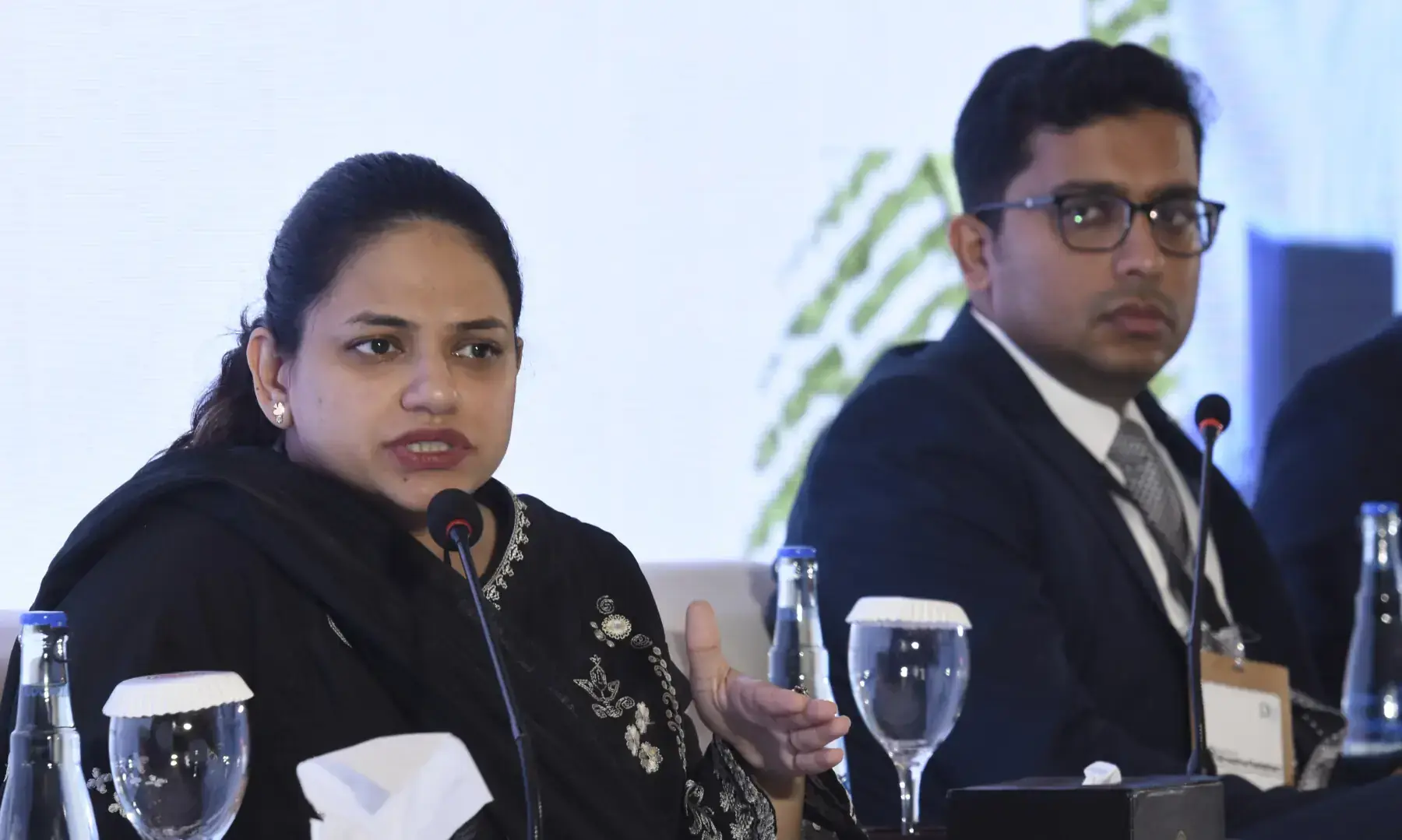
Speaking at a panel discussion titled ‘Empowering Pakistan’s Transition to Clean Energy’ at the Breathe Pakistan International Climate Conference 2026, speakers agreed that solarisation was a blessing for Pakistan, as it reduced the demand for imported fossil fuels. The session was moderated by Ammar H. Khan of the National Credit Guarantee Company Limited.
Haneea Isaad, energy finance specialist at the Institute for Energy Economics and Financial Analysis (IEEFA), noted that Pakistan was managing the ongoing situation resulting from the Middle East war relatively well, with no fuel shortages. “Over the past three to four years, we have seen a consistent decline in fossil fuel consumption, whether it’s oil, gas or coal,” Ms Isaad pointed out.
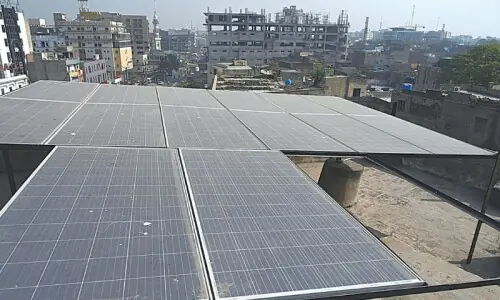
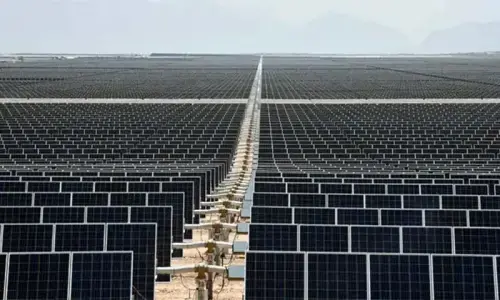
She highlighted Pakistan’s “rapid solarisation drive”, adding that the shift took place in 2022 after the Russia-Ukraine war broke out. Ms Isaad said Pakistan imported 50GW solar panels from 2021 to 2025 and almost half of that capacity was installed. She said this was the reason there were no power outages despite the energy crunch faced by the country in light of the Gulf tensions.
Lums Energy Institute Director Dr Naveed Arshad, meanwhile, said that the 2022 Ukraine invasion drove solarisation and the Iran-US conflict would drive storage revolution.
He noted that Pakistan witnessed “a very interesting revolution of the grid that we have not seen in any country”, adding that the transition was from a connected grid to a distributed grid. He described solarisation, storage, micro-grid, digitalisation, energy conservation, and circularity as six chapters of the energy transition.
Speaking about the country’s energy revolution, he said, “We have not used probably a single dollar of climate financing in all this transition.”
People of Asia for Climate Solutions Founder Tom Xiaojun Wang said renewable energy was an antidote to people’s “energy anxiety” and a reaction to the rising fuel prices. He said there was no shortage of technology or finance in the adoption of renewables since the renewable energy was affordable and accessible, adding that different technologies could complement each other to produce a package that was people-friendly.
However, there was a need to mobilise good policies and smart finance mechanisms to ease energy anxieties, he added.
Kamran Siddiqui, programme officer for energy and infrastructure at International Renewable Energy Agency (IRENA), speaking about Pakistan’s solar transition, said there was a “need for investment at the infrastructure level, particularly at the grid side”. “We need to decide how the energy is going to be deployed, whether it’s behind the meter or net-metering.”
He also noted an increase in the import of solar batteries “over the past three years”. However, he added that the solar boom had also “created challenges for the government as the demand for grid supply has reduced”.
He claimed that over the past 10 years, the cost of solar declined by 87 per cent and the battery costs also significantly dropped during this period. He said battery storage systems were the missing link in the country’s solar revolution, adding that battery adoption had increased.
Due to solarisation, he said, consumers were not “captive” to the grid anymore, adding that the government-run grid would have to earn its consumers in the presence of other options, such as solar.
Published in Dawn, May 8th, 2026