Energy crisis structural, not temporary: speakers
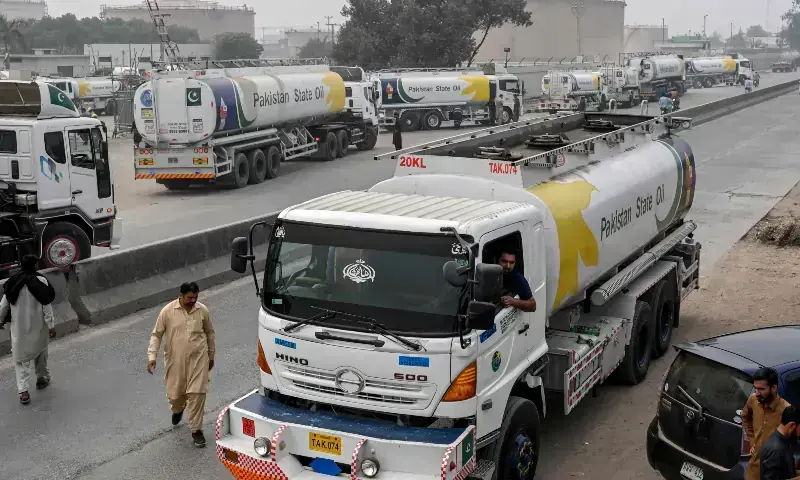
ISLAMABAD: The energy crisis faced by Pakistan is not a temporary disruption but a consequence of structural choices, including over-reliance on imported fuel, rigid long-term gas contracts, and absence of energy storage infrastructure, experts said on Tuesday.
They were speaking at a webinar ‘Pakistan’s Energy Options Amidst Persian Gulf Crisis’, which was organised to mark the launch of a new study ‘Beyond the Shock: Pakistan’s Energy Options Amidst Persian Gulf Crisis’ published by Policy Research Institute for Equitable Development.
“The war in the Persian Gulf has not created these vulnerabilities but has exposed them,” the study said, calling for a layered response to this crisis.
“In the short run, that means protecting essential imports without allowing prices to spiral out of control. In the medium and long run, it means resisting the panic-driven temptation to lock the country into coal or expensive imported fuels, and instead accelerating the investments in solar power, battery storage, and grid infrastructure…” said one of the authors, Ammara Aslam.
Study says Iran war has not created vulnerabilities but has exposed them
Pakistan Solar Association Chairman Waqas Haroon Moosa, one of the panelists, said there was a need to “expand solar, hydro, and wind for energy sovereignty”. “The miracle of solar in Pakistan is that the people introduced it — farmers, the common man. The government is doing its part and ahead of the budget, we’re pushing to cut GST on solar panels, batteries, and inverters to zero. Oil imports… run out. Solar gives us a sustainable resource and eventually, energy independence.”
The study identified Pakistan’s rapid solar expansion, with 34 gigawatts of installed capacity by 2025, of which approximately 7 gigawatts is net metered, which feeds directly into the national grid while the rest is installed behind the meter and completely off-grid. However, without utility-scale battery energy storage, solar power cannot resolve the evening peak demand crisis that RLNG shortfalls have now made acute.
The research described solar power without storage capacity as the most urgent grid challenge. “…solar collapses at sunset just as demand, particularly the summer cooling demand, peaks sharply. Only fast-ramping RLNG plants can currently manage this transition, which is why the same solar boom that reduced LNG demand has also made some LNG supply paradoxically indispensable.”
Despite its limitations, the economic case for continued solar investment remains compelling. “1,000 megawatts of solar costs US$100 million and generates electricity for 25–30 years. The same money buys one LNG cargo, burned once.”
Similarly, coal is not the solution to the energy crisis as being proposed by some in the policy circles.
“Converting existing plants would cost an estimated US$250-500 million per facility in machinery alone, with a further US$480 million in mining expansion required for just two plants,” the research said, while also pointing out environmental harms due to coal expansion.
Speaking at the webinar as a keynote speaker, former finance minister Miftah Ismail said Pakistan sold the most expensive electricity and gas in the region. “This is not a technical failure, but a policy failure.”
Private Power and Infrastructure Board Managing Director Dr Munawar Iqbal said the short-term strategy was to exploit indigenous energy sources to meet the energy needs, while battery storage systems could be explored in the long-term for self-sufficiency.
Sharing recommendations, the study urged the government to protect essential imports without panic buying; diversify gas procurement with flexible contracts; remove the 10 per cent GST on solar panels; ease prosumer regulations; cut the 40 percent tax on imported batteries; electrify energy-intensive sectors starting with two- and three-wheelers; use domestic fuels as a bridge without locking in new coal infrastructure; and ringfence petroleum levies to fund the clean energy transition.
Published in Dawn, May 6th, 2026