Fashion brands in Lahore ‘ignore’ labour rights violations in textile recycling sector
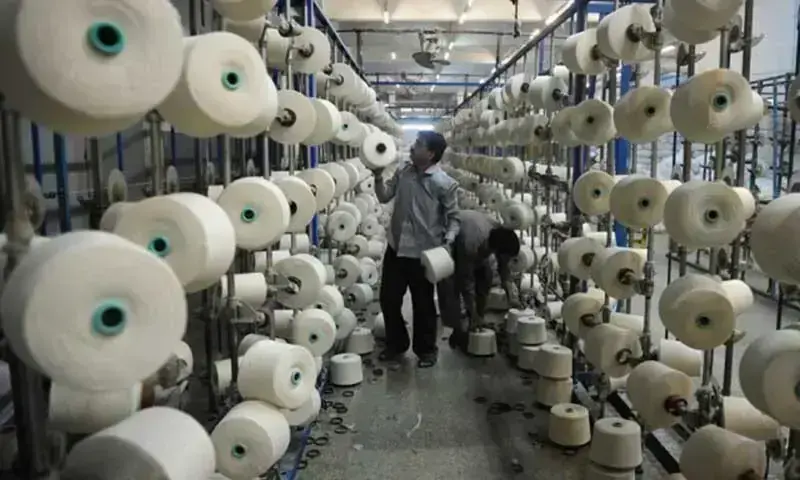
LAHORE: Widespread labour rights violations have been found in the textile recycling industry, which is being promoted by major fast fashion brands as a pillar of sustainability.
A recent study conducted by the Labour Education Foundation (LEF), in collaboration with Arisa, a Holland-based rights body, has revealed a stark contradiction at the heart of the global fashion industry.
While major fast fashion brands promote textile recycling as a pillar of sustainability, they remain largely unaware – or unaccountable – for widespread labour rights violations in the very systems that make such recycling possible.
The research, a copy of which is available with Dawn, examined 20 leading brands. Despite selling garments made with recycled textile materials, most of these companies have little to no insight into the working conditions or wages of labourers handling textile waste in their supply chains.
Research finds workers being subjected to exploitative wages, poor workplace environment
As the fashion industry increasingly embraces “circular economy” narratives, recycled textiles are marketed as environmentally responsible alternatives. This shift is driven by the industry’s massive waste footprint, with large volumes of discarded textiles either burned or dumped in landfills. Recycling appears to offer a solution, but the report highlights a troubling human cost behind this “green” image.
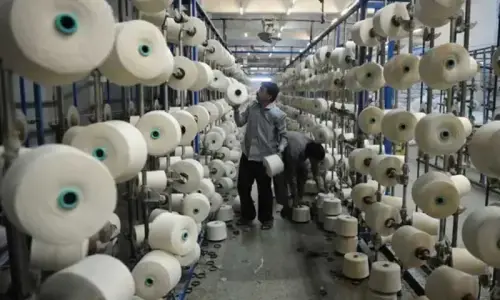
Field research conducted in Pakistan, where Faisalabad and Karachi are two major hubs of the textile recycling industry, uncovered harsh realities in the largely informal textile recycling sector. Workers reported grueling schedules of up to 12 hours a day, seven days a week, often without formal contracts, payslips, or job security. Payments are frequently made in cash, with wages insufficient to meet basic living expenses, it shows.
As per the report, health and safety conditions are equally alarming. It says labourers face constant exposure to dust, heat, and hazardous chemicals without proper ventilation or protective equipment, leading to respiratory problems, skin and eye irritation, and other illnesses.
It also points out that the use of machinery without adequate training further heightens the risk of serious injuries to workers.
The report also highlights the vulnerability of the workforce, largely composed of migrants and individuals from marginalised communities. With limited employment alternatives, many are forced to accept exploitative conditions. Instances of child labour were also documented.
Despite these findings, many brands either lack knowledge of their recycling supply chains or deflect responsibility through vague disclosures. At the same time, they continue to market recycled-content clothing as a sustainable and ethical choice.
LEF and Arisa have urged global fashion companies to take immediate action by mapping their full supply chains, including recycling facilities, and addressing labour and human rights risks. The organisations emphasize the need to ensure safe working conditions and living wages for all workers involved in textile recycling.
The report raises critical questions about the true cost of “sustainable fashion,” suggesting that environmental progress cannot come at the expense of basic human rights.
Published in Dawn, April 13th, 2026