US media emphasises rarity of direct US-Iran talks
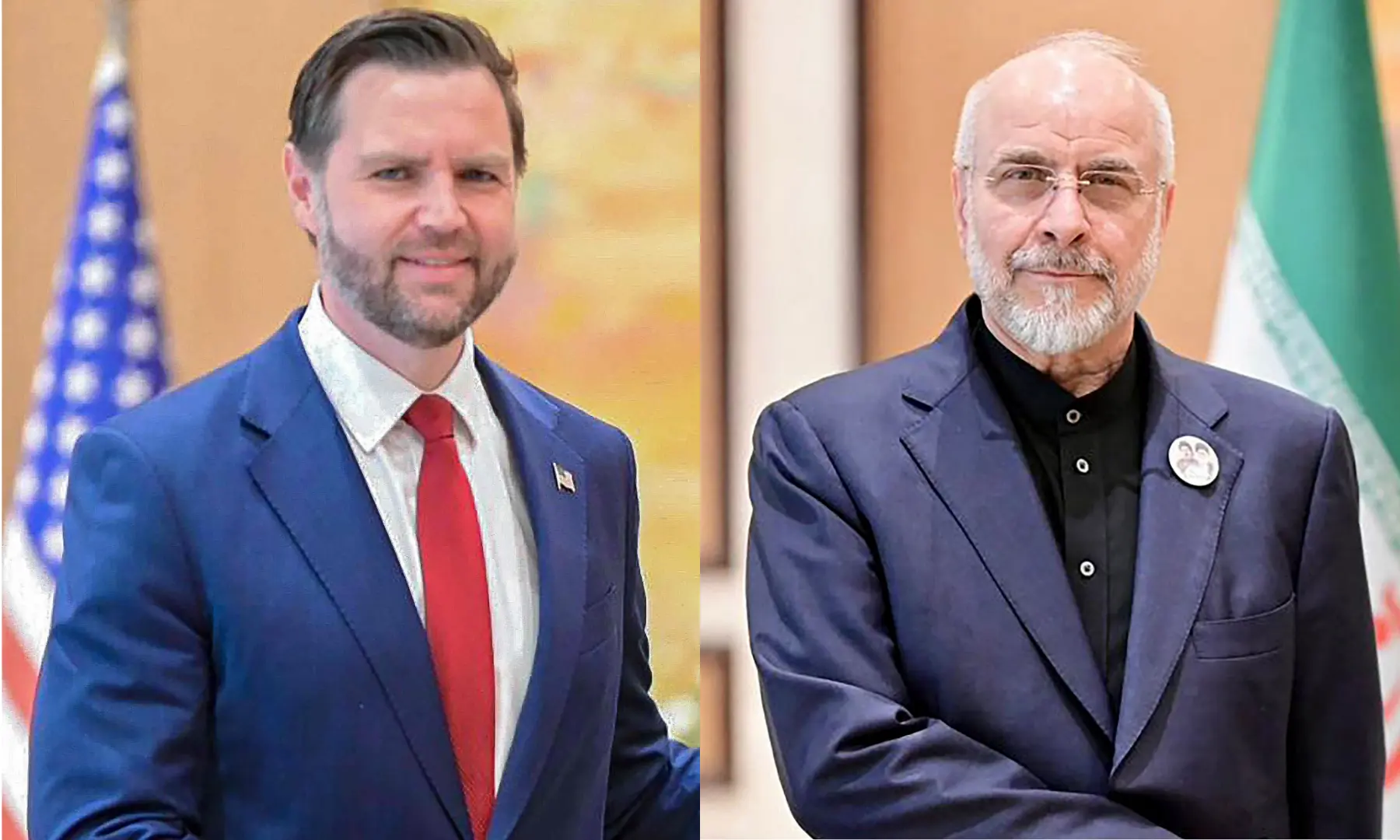
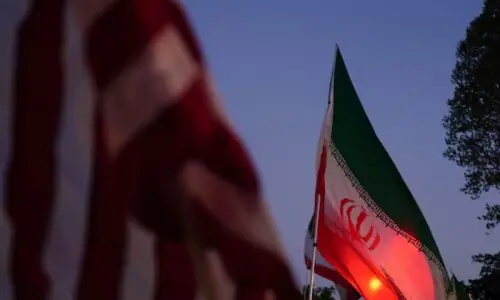
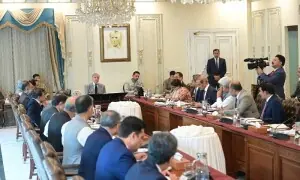
WASHINGTON: American news organisations on Saturday underscored what they described as the extraordinary rarity of direct diplomatic engagement between Washington and Tehran, as senior officials from both countries met face-to-face.
Across US media, the dominant framing has been that such direct contact is exceptional by historical standards, marking one of the few occasions in nearly half a century when senior US and Iranian officials have engaged in open, in-person negotiations.
CNN highlighted that the US delegation, led by Vice President JD Vance, held direct talks with Iranian leaders, stressing that the encounter represented a significant departure from decades of indirect diplomacy.
The network repeatedly emphasised that such high-level meetings have been extremely rare since the 1979 Islamic Revolution, noting that even when dialogue occurred in the past, it was largely conducted through intermediaries.
The New York Times paper framed the talks as a diplomatic moment shaped as much by their symbolic rarity as by their potential substance, underscoring that Washington and Tehran have had almost no sustained tradition of direct negotiation at this level.
Similarly, The Washington Post noted that the very act of meeting face-to-face was being treated in Washington as a significant development in itself, regardless of whether immediate breakthroughs emerge.
USA Today highlighted that US officials viewed the meeting as an unusual but potentially necessary step to end the ongoing conflict and prevent further regional escalation.
Parallel developments
While the rarity of diplomacy has dominated coverage, US outlets also focused on parallel developments surrounding the strategic Strait of Hormuz, a key global shipping lane.
President Donald Trump said in a social media post that the United States was “clearing out” the Strait of Hormuz.
The remarks were widely noted in US coverage due to the waterway’s strategic importance and its long association with US-Iran tensions.
US media reported that these military developments ran alongside diplomatic efforts, reflecting a dual-track approach of negotiation and security pressure.
Analysts quoted in American outlets noted that the combination of direct talks and maritime operations underscored the strategic stakes involved, particularly given Iran’s historical ability to disrupt shipping through the narrow waterway.
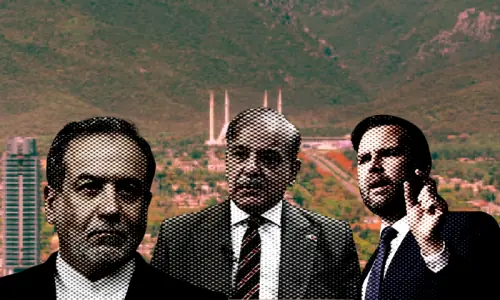
US media also noted that the fact that such engagement was taking place in a third-country setting had been treated as significant in itself, reflecting how Pakistan’s untiring efforts made this possible.
Published in Dawn, April 12th, 2026