India says it won’t host UN climate talks in 2028
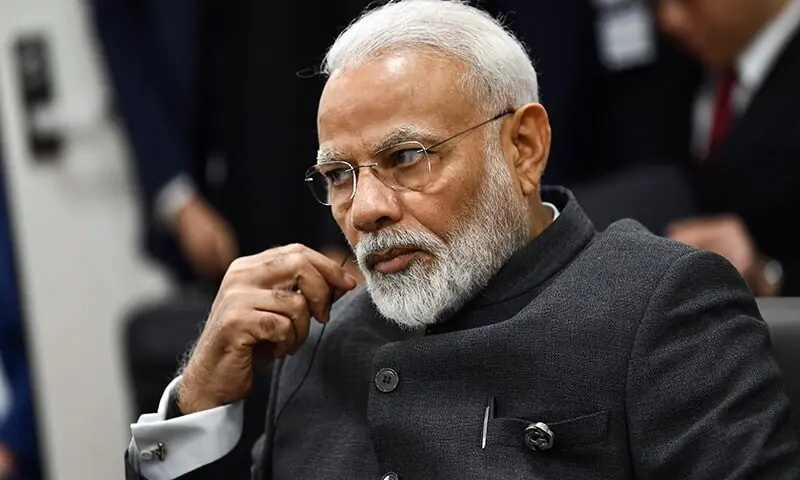
SINGAPORE: India has withdrawn its offer to host the United Nations annual climate Conference of the Parties (COP33) in 2028, two government officials familiar with the matter said.
India communicated its decision to not host the conference this month, the officials said, but it was not immediately clear why the government had pulled out. The officials declined to be named as they are not authorised to speak to the media. Prime Minister Narendra Modi had proposed hosting the summit in 2023. The federal ministry for environment and climate change did not immediately respond to a request for comment.
Climate Home News, which first reported the news, said India withdrew after a “review of its commitments” in 2028, citing a letter written by an Indian official to the chair of the Asia-Pacific Group.
The United Nations Framework Convention on Climate Change secretariat did not immediately respond to a request seeking comment.
France emissions cuts slow
France’s cuts to greenhouse gas emissions slowed for a second straight year in 2025 and remain well below what is needed to meet its climate goals, according to government-commissioned data published on Wednesday.
The slowdown comes as other major economies also struggle to make good on their promise to reduce planet-warming emissions, even as global average temperatures hover at near record highs.
France’s emissions declined 1.5 per cent from the previous year, said Citepa, a non-profit organisation tasked by France’s ecology ministry with tallying the country’s greenhouse gas inventory.
“The downward trend in emissions is continuing, albeit at a slower pace,” Citepa said in a statement, but added that the reduction “remains insufficient” to meet France’s 2030 climate targets.
Published in Dawn, April 9th, 2026