0
0

• Notes 40-50pc of remittances originate from GCC countries
• Insists economic fallout may persist even if conflict ends soon
• Sharmila slams fuel hikes, calls govt policy inconsistent
• MQM-P seeks briefing on regional fallout, remittance risks
• Senators raise inflation concerns, call for relief measures to ease burden on the poor
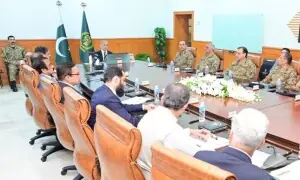
ISLAMABAD: Finance Minister Muhammad Aurangzeb on Tuesday said the ongoing conflict triggered by the US-Israel war on Iran had not adversely affected Pakistan’s remittances from the Middle East so far.
“Some members spoke of remittances, which is true. Thankfully, there has been no impact on remittances as of yet,” Mr Aurangzeb said while speaking on the National Assembly floor.
He noted that around 40 to 50 per cent of Pakistan’s remittances originate from Gulf Cooperation Council (GCC) countries, highlighting the region’s importance for external inflows.
“We are also reviewing its elasticity — what impact any disruption could have on the balance of payments and the current account,” he added.
Responding to concerns raised by lawmakers, the minister said the government was closely monitoring multiple economic indicators amid the conflict.
“Not only is the oil and gas bill increasing, but trade and insurance costs have gone up and the vessels available that bring these molecules,” he added.
He cautioned that even if hostilities were to cease soon, the economic fallout could persist for weeks or months due to damage to energy infrastructure across the Gulf.
Mr Aurangzeb said the government was holding daily review meetings and assessing developments in South Asia and Southeast Asia, where several countries had already begun rationing fuel and passing on higher prices to consumers.
“Even countries with deep pockets have transmitted the price. In the UAE, petrol prices have increased by 30pc and diesel by 70pc,” he said, adding that Bangladesh, Sri Lanka, India, the Philippines and Cambodia had also been affected.
The minister said Pakistan had initially provided a blanket subsidy to protect consumers from rising fuel prices between March 14 and April 4.
“It is important to note that a subsidy of Rs129 billion was extended,” he said, adding that the funds were arranged through austerity measures, including a Rs100bn cut in the Public Sector Development Programme (PSDP) and dividends from state-owned enterprises.
He added that targeted subsidies for bikers, public transport and small farmers had since been introduced, with disbursements already under way. “We have not only announced these subsidies; the disbursement process had begun on Saturday,” he said. Mr Aurangzeb said constructive suggestions had been received from both the treasury and the opposition benches. “While we hope for the best, we must plan for the worst. Hope is not a strategy,” he remarked.
PPP decries fuel hike
Speaking on the NA floor before Mr Aurangzeb, PPP’s Sharmila Faruqui decried the recent hikes in petroleum prices.
She said that the briefing given by Petroleum Minister Ali Pervaiz Malik before the National Assembly on Monday on the increase in oil prices was not satisfactory and he was “unconvincing”.
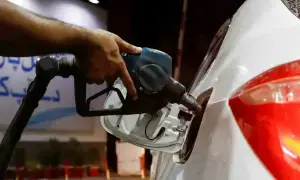
Following the outbreak of the US-Israel war on Iran on Feb 28, global oil prices surged, pushing fuel prices in Pakistan to record levels. Petrol prices rose from Rs266.17 to Rs378, while high-speed diesel increased from Rs280.86 to Rs520.35.
Ms Faruqui claimed Pakistan was the first country in the region to increase oil prices.
The PPP leader referred to recent addresses by PM Shehbaz and the April 2 press conference by three ministers on the issue of oil prices, saying they showed a lack of consistency in the government’s policies and decisions.
Ms Faruqui noted that in his speeches, PM Shehbaz kept on insisting that prices would not be raised and their impact would not be transferred to the people, but then ministers held a press conference and suddenly prices were increased twice.
She suggested that the government hire the services of some consultants in order to have consistent policies, highlighting that no one knew how long the economic crisis stemming from the Middle East conflict would last.
The PPP MNA noted there was a tax of Rs131 per litre on petrol. She also contended that the government talked about motorcyclists only, without realising there were other people being affected too.
Meanwhile, Javed Hanif of Muttahida Qaumi Movement-Pakistan (MQM-P) demanded that the National Assembly be given a comprehensive briefing on the possible fallout of the ongoing regional situation so that it can formulate future policies and decisions.
He observed that if the US acted on its threat and if Iran retaliated, then the economic system of the Gulf countries would collapse, which could cause serious financial problems for Pakistan.
“What will happen with our remittances that are sent by some five million Pakistanis?” Hanif asked.
Debate in Senate
The recent increase in fuel prices also came under discussion in the Senate. Initiating a debate in the Upper House on the prevailing regional situation, Opposition Leader in the Senate Raja Nasir Abbas lauded Pakistan’s efforts to help end the ongoing conflict in the region and called for collective efforts to steer the country out of crises.
He said the common man was already under pressure and could not bear any further burden, urging the government to take immediate steps to control inflation. “Providing relief to the people should be the top priority,” he stressed.
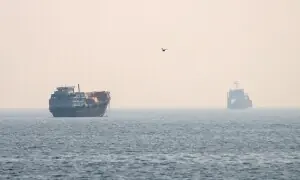
Senator Maulana Attaur Rehman of JUI-F also questioned the sharp increase in oil prices, asking why prices had been raised when Pakistan’s vessels were still being allowed to pass through the Strait of Hormuz. He called for a reduction in petrol prices to provide relief to the public.
Law Minister Azam Tarar said the hike in petroleum prices was driven by an unprecedented increase in global oil prices. He added the government was extending targeted subsidies to deserving segments of society to ease the burden of price hike.
Published in Dawn, April 8th, 2026