India moves closer to nuclear fuel self-reliance

Published
7
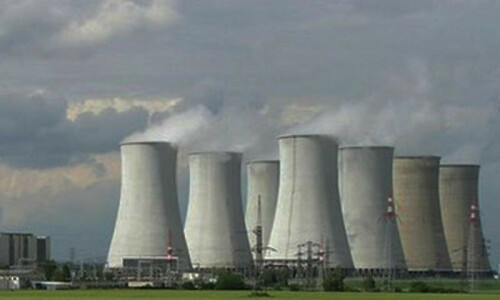
A policeman walks on a beach near Kudankulam nuclear power project in the southern Indian state of Tamil Nadu on Sept 13, 2012. — Reuters/File

India has moved closer to producing its own nuclear fuel after a domestic-designed reactor began a controlled nuclear reaction, an important step before it can start generating power.

Energy-hungry India, the world’s most populous country and third-largest emitter of greenhouse gases, has ambitious plans to expand nuclear power capacity from its current eight to 100 gigawatts by 2047.

Prime Minister Narendra Modi said the Prototype Fast Breeder Reactor (PFBR) at Kalpakkam attained “criticality”, the stage at which a self-sustaining nuclear chain reaction starts.

“Today, India takes a defining step in its civil nuclear journey, advancing the second stage of its nuclear programme,” Modi said in a statement late Monday.

“This advanced reactor, capable of producing more fuel than it consumes, reflects the depth of our scientific capability and the strength of our engineering enterprise.”

Modi called it a “decisive step towards harnessing our vast thorium reserves”, a potential fuel for nuclear reactors.

The reactor does not yet generate electricity for the grid. That comes in the next stages, once the reactor moves to full power operation.

The development also comes at a time of global energy uncertainty, including war in the Middle East, which has heightened concerns about fuel supply disruptions.

India remains heavily dependent on coal, but has pledged to reach net-zero emissions by 2070.
Follow Dawn Business on X, LinkedIn, Instagram and Facebook for insights on business, finance and tech from Pakistan and across the world.

Opinion

Editorial

Eating grass for AI
Updated 19 Oct, 2026

Eating grass for AI

As dependence on AI grows, the bill could reach hundreds of millions of dollars by the end of the decade.
Climate exodus
19 Oct, 2026

Climate exodus

SOUTH Asia may see a vast movement of people as climate change makes parts of the region harder to live in. ...
Settler terrorism
19 Oct, 2026

Settler terrorism

ISRAEL’S genocidal violence in occupied Gaza has understandably captured the world’s attention. Yet another...
State of denial
Updated 18 Oct, 2026

State of denial

If the Taliban regime commits to preventing groups based on its soil from attacking neighbouring states, the process of normalisation and regional integration of Afghanistan can begin.
Suffering in silence
18 Oct, 2026

Suffering in silence

TOO many Pakistani children have nowhere to turn when abused online. An estimated 1.5m internet-using children aged...
Export imperative
18 Oct, 2026

Export imperative

THE government’s efforts to boost Pakistan’s external sector through diversified financing, higher foreign...