Inflation seen near 8.5pc in March
ISLAMABAD: Showing cautious optimism about the short-term economic outlook, the government on Tuesday warned that rising global oil prices pose a risk to the country’s import bill and macroeconomic conditions in the longer term.
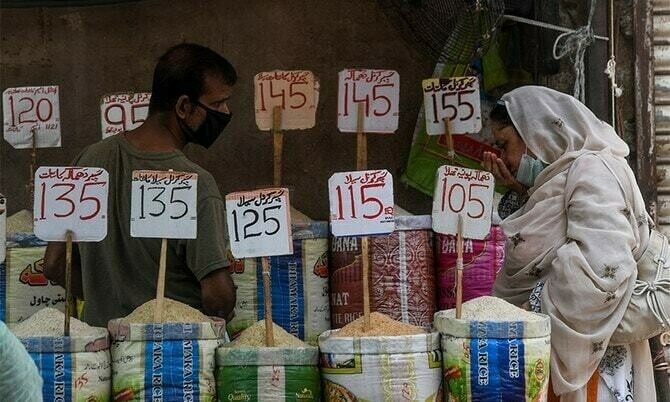
“Rising global oil prices and potential supply chain disruptions may exert pressure on industrial input costs”, said the Ministry of Finance in its Monthly Economic Update and Outlook, which estimates inflation growing by up to 8.5pc for March.
It said the near-term outlook for Pakistan’s economy remains cautiously optimistic despite emerging geopolitical risks. Data showed improving momentum in the industrial sector, with higher imports of textile machinery, transport and construction-related inputs, likely to translate into higher domestic industrial activity.
It said the government was actively pursuing prudent measures, including maintaining adequate petroleum reserves, managing energy demand, and adhering to fiscal austerity to protect the domestic economy.
Finance ministry expects moderate price pressures despite global uncertainties
“Inflation is anticipated to remain within the range of 7.5-8.5 per cent for March,” it said. On the external front, high remittance inflows were expected, particularly an increase in transfers associated with the Eid festival, although their trajectory would depend on economic conditions in the host countries.
Encouraging trends in IT exports were also providing additional support to foreign exchange earnings. The current account deficit was likely to remain manageable, while rising oil prices pose a risk to the import bill, the MoF said.
Notwithstanding the downside risks amid global uncertainties, the latest indicators suggest that the economy was better positioned to absorb external shocks and maintain overall resilience in the coming months, it added.
It said the country’s economy experienced encouraging progress across key indicators during the first eight months of FY2026. Notably, the current account recorded its largest surplus of the year in February, supported by the growth in remittances and the decline in imports. IT exports continued the growth momentum, reinforcing the country’s development in digital transformation.
Resultantly, foreign exchange reserves rose to a four-year high, with a notable rise in central bank holdings, signalling stronger sovereign liquidity and better crisis response capacity. Meanwhile, large-scale manufacturing recorded strong double-digit growth in January, adding further impetus to industrial recovery and supporting overall economic activity.
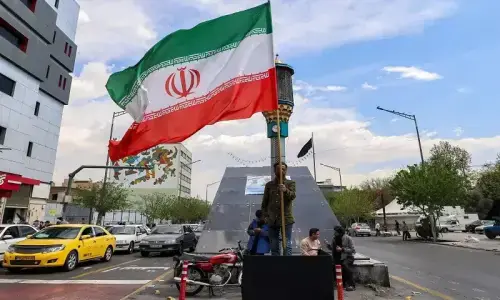
In the wake of the emerging US-Israel and Iran conflict, proactive planning and austerity measures on the energy front are helping secure adequate fuel reserves, thereby ensuring smooth operations. Despite regional and external challenges, Pakistan’s preparedness and reform measures, along with encouraging progress on the domestic front, are laying the groundwork for sustainable growth prospects, the MoF concluded.
Published in Dawn, April 1st, 2026