DPM Dar says Iran has allowed ‘20 more ships’ under Pakistan flag to cross Strait of Hormuz


 1
1
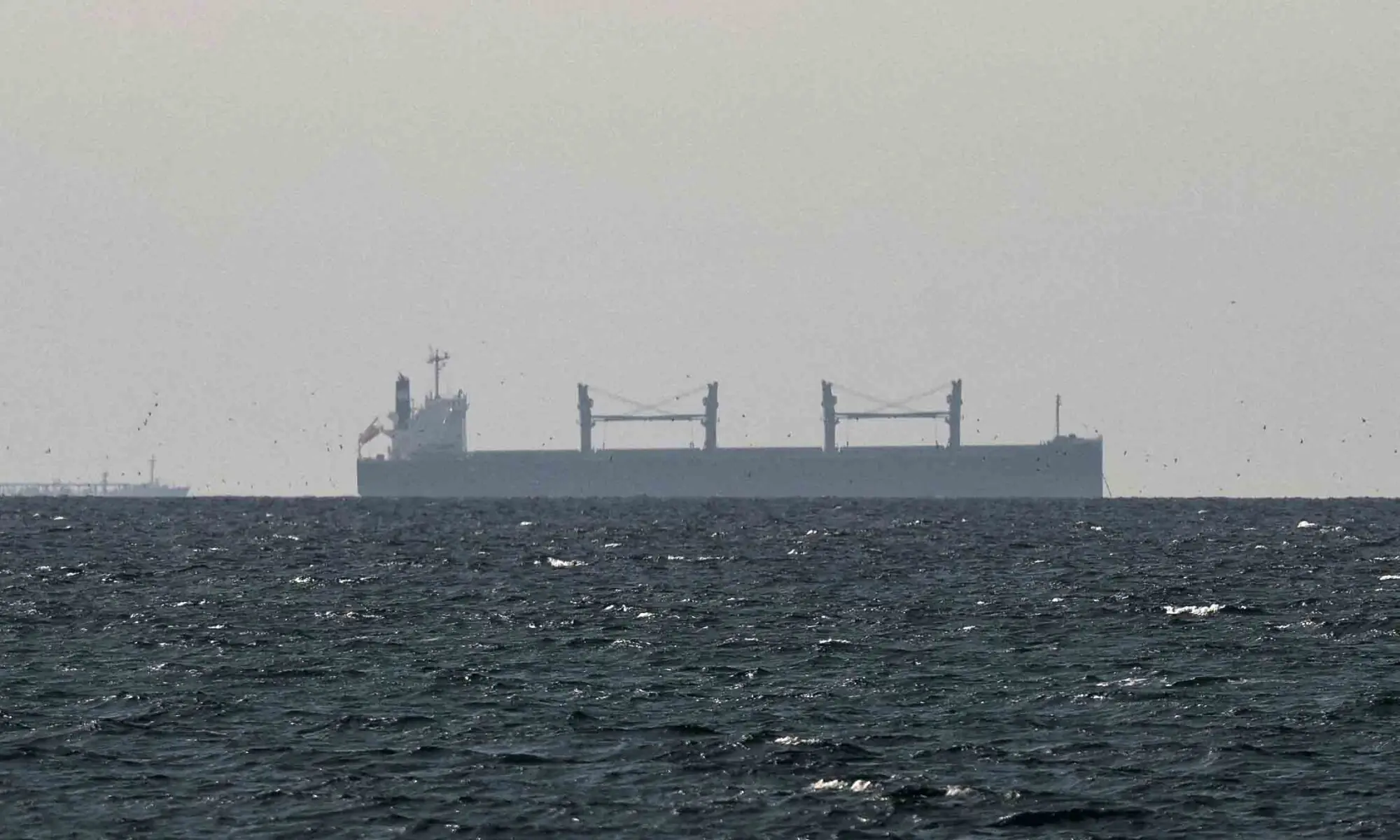

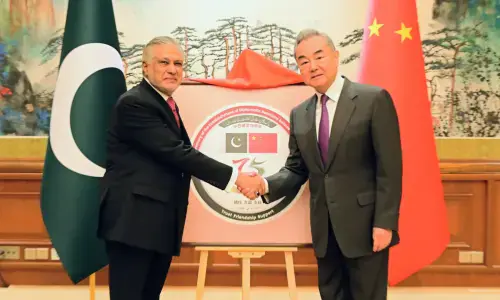
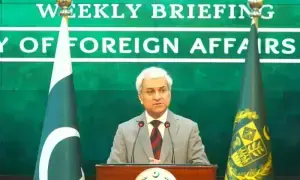
Deputy Prime Minister and Foreign Minister Ishaq Dar said late on Saturday that the government of Iran had agreed to allow “20 more ships under the Pakistani flag to pass through the Strait of Hormuz”.
In a post on X, he said two ships will cross the Strait daily.
“This is a welcome and constructive gesture by Iran and deserves appreciation. It is a harbinger of peace and will help usher stability in the region,” he said.
“This positive announcement marks a meaningful step toward peace and will strengthen our collective efforts in that direction,” he said.
“Dialogue, diplomacy, and such confidence-building measures are the only way forward,” he said. He also tagged US Vice President JD Vance, US Secretary of State Marco Rubio, Iranian Foreign Minister Abbas Araghchi and US special envoy Steve Witkoff in the post.
Later, the US president also shared Dar’s statement on his Truth Social platform.
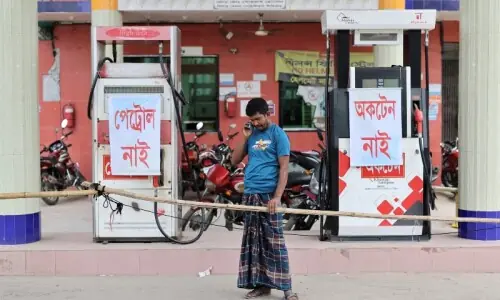
The world has been facing a global fuel crunch in the aftermath of a US-Israeli war on Iran, which has been going on for nearly a month. The fuel crisis has resulted from the disruption of traffic in the Strait of Hormuz — a corridor that carries 20 per cent of global liquified natural gas and a quarter of seaborne oil.
Earlier in the day, Anadolu Agency had reported that Iran had permitted two Pakistani cargo ships to transit through the Strait of Hormuz. Meanwhile, a Pakistani oil tanker had also transited through the Strait on March 16 – the first such voyage by a non-Iranian tanker since the start of the war.
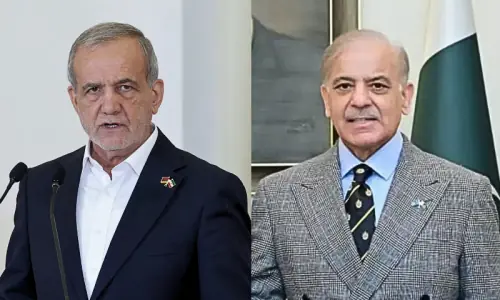
The development came hours after Prime Minister Shehbaz Sharif spoke to Iranian President Masoud Pezeshkian and apprised him of Pakistan’s diplomatic outreach efforts to organise peace talks between Washington and Tehran, in a phone call that lasted over an hour.
Pakistan has taken centre-stage in a process to mediate between the US and Iran, being carried out in collaboration with Ankara and Cairo.
On Sunday, Islamabad will also be hosting the foreign ministers of Saudi Arabia, Turkiye and Egypt for “in-depth discussions” on a variety of issues, including efforts to reduce the ongoing tensions in the region amid the war on Iran.