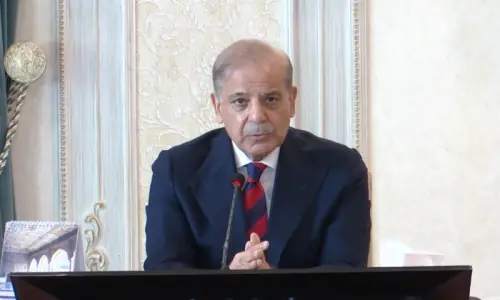
WHILE the US continues to mull a new attack against Iran, it is welcome that the upper echelons of the Pakistani state have made clear their stance against aggression targeting the neighbouring country. Prime Minister Shehbaz Sharif spoke to Iranian President Masoud Pezeshkian on Thursday, reaffirming the need for “sustained dialogue and diplomatic engagement” at this critical time.
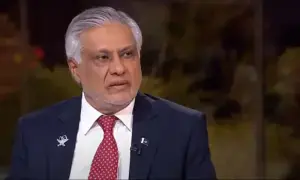
The foreign ministers of both states also had a phone conversation, with Ishaq Dar emphasising that diplomacy was “the only viable way forward”. Meanwhile, a Foreign Office statement correctly pointed out that “this region cannot afford war”, adding that Pakistan opposes “the use of force … against Iran” as well as interference in Iran’s internal affairs.
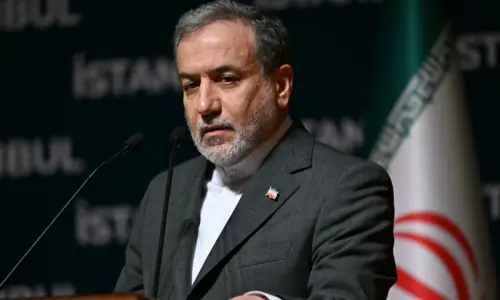
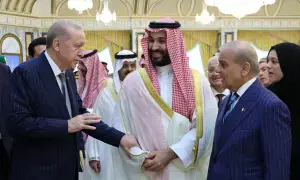
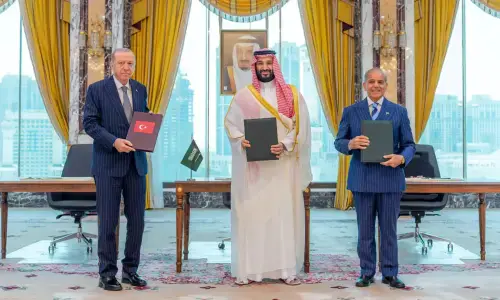
Pakistan’s stance is in line with the regional consensus, as previously both Saudi Arabia and the UAE have stated that their soil and facilities will not be used against the Islamic Republic. Turkiye is similarly ramping up diplomatic efforts; the Turkish foreign minister hosted his Iranian counterpart on Friday in an effort to prevent the march towards a new, devastating regional war.
Pakistan has a long border with Iran, and any instability in the region will directly affect this country. While there have been ups and downs, the Pakistan-Iran relationship has been largely cordial. Along with a joint frontier, both nations share historical, cultural and spiritual ties. Moreover, Pakistan has displayed moral clarity by opposing foreign intervention against a sovereign state. The Gulf monarchies are similarly wary of the fallouts of an American attack, mainly because senior Iranian officials have said US bases in the region will be targeted if Iran is attacked.
However, there are media reports that suggest the Americans are trying to pressure Riyadh into quietly acquiescing to a US attack. The Saudi defence minister is currently in Washington. The US should abandon its threatening posture against Iran and come to the table while respecting Iran’s sovereignty. The Iranians say they have drawn lessons from last year’s US-Israeli aggression, and will hit back harder.
Hence, the American presumption that this will be a short, clean campaign is erroneous; any war will be bloody and incredibly destructive for the global economy. Yet Iran must also make efforts to address the legitimate grievances of its people and improve the rights situation, though any change must be internal, and not orchestrated from abroad.
Published in Dawn, January 31st, 2026