QR codes made mandatory for retail outlets
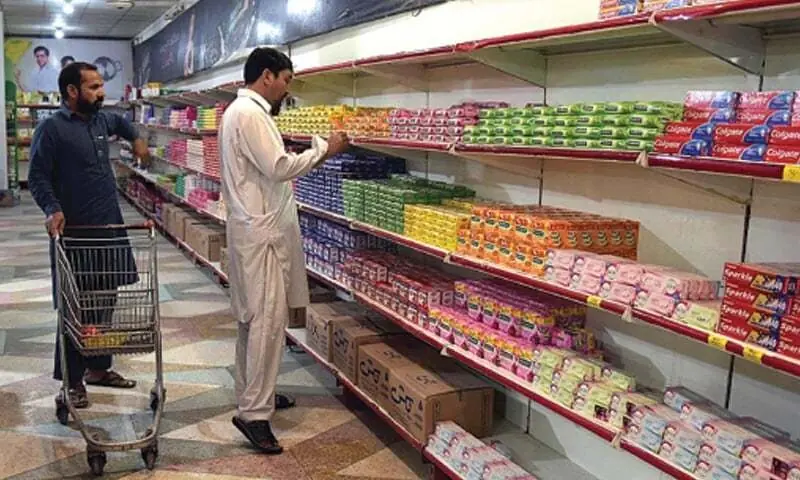


ISLAMABAD: Minister of State for Finance Bilal Azhar Kiani has said that QR codes have been made mandatory for retail outlets in Islamabad and across the provinces.
“The government is promoting a cashless economy, and executive orders have made QR codes mandatory in Islamabad and provincial regions, requiring every retail outlet to provide at least one digital payment option,” the state minister said on Saturday.
He was speaking at a policy discussion organised by the Institute for Public Opinion Research (IPOR) to present findings from its nationwide study titled Track and Trace Compliance in the Tobacco Industry-Volume II.
The minister added that all retailers and merchants have been instructed to adopt digital payment methods. He said federal and provincial authorities were working on legislation to support the initiative, which aims to formalise the economy and strengthen the “Cashless Pakistan” programme.
The study revealed significant regulatory gaps in compliance with the Federal Board of Revenue’s Track and Trace System (TTS).
Speaking about the IPOR study, Mr Kiani emphasised the government’s commitment to enforcing the TTS in the tobacco sector during the seminar. “The government will intensify crackdown on illegal cigarette brands and focus on enforcing regulations in the tobacco retail market,” he added.
The minister clarified that action would not be taken against retailers selling legal brands, but non-compliant brands would be brought within the legal framework, and monitoring and enforcement in the sector would be enhanced.
He said retail outlets fall under the jurisdiction of provincial governments, which have the authority to take action against sellers of illegal cigarettes. “Warehouses and transportation channels in the tobacco sector are also being monitored, and strengthening enforcement is expected to improve compliance with laws and increase revenue,” he said.
Published in Dawn, January 25th, 2026