Go to any locality in Karachi and you will find a multitude of food options, even for breakfast: from bakeries to sweetmeat shops. They range from aloo chholay [potato and chickpea curry] and puri [fried flatbread] or halwa puri [semolina dessert with fried flatbread] or paaye [trotter curry] and nihari [meat stew] with paratha, kulcha or naan [different kinds of flatbreads]. This is also the case in the densely populated neighbourhood of Lyari, if you care to explore that oldest part of Karachi.
A man with a big pateela [cooking pot] set on a wooden stool stands on the side of a road selling biryani. Asked if it is chicken biryani or beef, he laughs. “You are in Lyari, you won’t find fancy biryani or pulao here,” the man tells Eos. “Here, we make chana [chickpea] biryani.”
This is in line with the socio-economic make-up of this locality, with most residents in the lower income strata. As a result, the gastronomists in the area concentrate on meals that cost less but are highly nutritious. Every morning, you find many women sitting on low stools at their doorsteps to sell a freshly cooked, wholesome breakfast of fava beans. Also known as broad beans or saim ki phalli, these beans are commonly known in Lyari as “baklik”.
The women have small cellophane pouches and string to quickly pack the beans for takeaway. One small pouch costs Rs30 rupees and the bigger ones are priced at Rs50.
Fava beans are not just a breakfast staple in Karachi’s Lyari, but also a source of income for the neighbourhood’s residents
“You can have them with paratha or naan acquired from a nearby tea stall or tandoor,” says Zohrah Bibi near Cheel Chowk. Bibi adds that fava beans can also be consumed with plain rice. “I’m about to fry potato and green chilli pakorray [fritters], in case you would like to have baklik with those,” she offers.
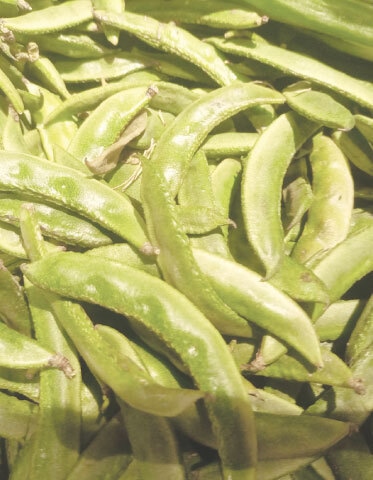
ahead, outside another little house, there is Bahar Bibi. She is selling baklik with black masoor [lentils] and chholay. And the same story continues with another small variation three doors away. There is one recurring refrain, though: the women do not want to be photographed. Even when I tell them that I am from a newspaper, they stick to their guns. “No pictures!”
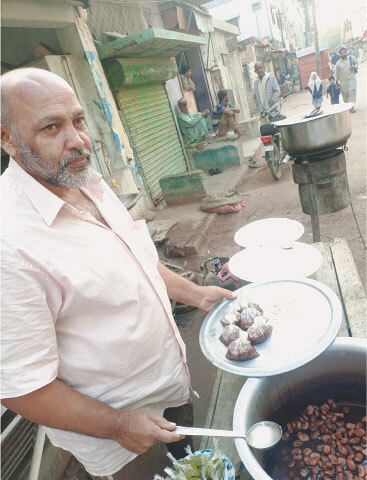
There are always exceptions to the rule and I also found one. Ghulam Ali, selling fava beans in the Kalakot part of Lyari. He had no issues with being photographed while selling his beans.
“What about sharing the recipe?” I ask. Everyone breaks into a laugh and say there is nothing to it. But I don’t believe them until they tell me. As it turns out, everyone has the same recipe to share.
METHOD
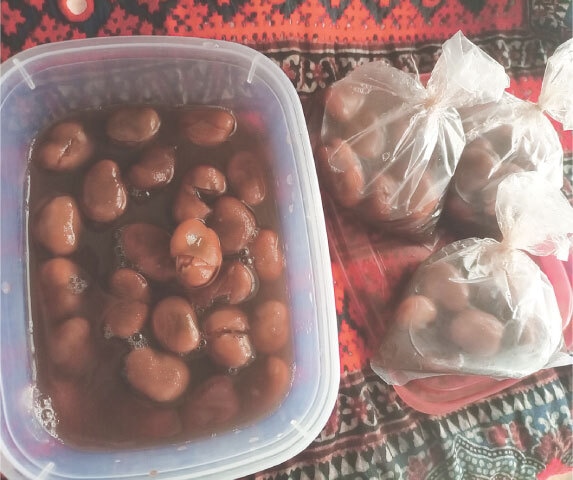
Fava beans are available in both dried and fresh form in the market. They are soaked in water overnight (not necessary when the fava beans are fresh). The water is not drained in the morning and they are cooked on low heat in the same water, with more water added to immerse the beans.
Here, you have a choice of either cooking the beans with their thin brown skin or after peeling them. The peel comes off easily but, in Lyari, they are cooked with the skin to make them chewier.
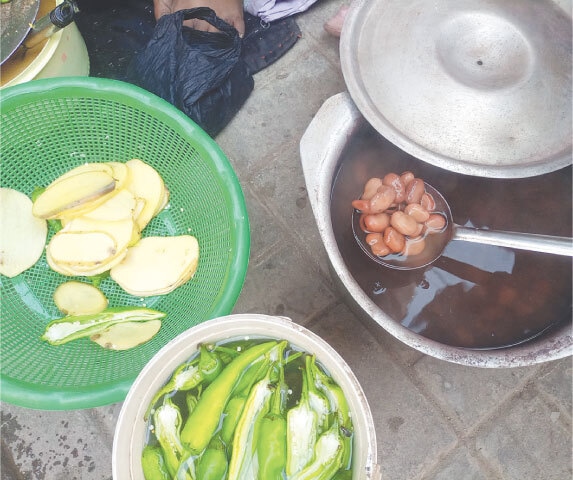
The only ingredient added to the beans and water is salt to taste. Let the beans simmer on low heat for 45 minutes to one hour. When tender, turn the heat off. The beans are ready.
You can have them with soups and salads. If just boiling them in salt water seems too plain, you can also strain the water afterwards, add lemon zest, some lime juice, some olive oil and sprinkle with black pepper, according to your taste.

Fava beans are highly nutritious as they are a good source of protein, fibre, vitamins (especially rich in Vitamin B6) and minerals such as folate, iron, magnesium and potassium.
The writer is a member of staff.
X: @HasanShazia
Published in Dawn, EOS, December 7th, 2025