A NEW FAO report, Impact of Disasters on Agriculture and Food Security, is a grim reminder of the toll climate-driven disasters are exacting on global agriculture and food systems. The estimated cost of these disasters in terms of agricultural losses over the last 30 years is staggering: $3.26tr, or 4pc of global agricultural GDP. And behind the statistics lie millions of lost livelihoods, growing hunger and the increasing fragility of rural economies. The message is that climate disasters are intensifying faster than we can cope.
The report also highlights a parallel digital revolution that could transform how we manage agricultural risks. AI, remote sensing, drones, sensors, and digital insurance platforms are opening new opportunities for proactive action rather than reactive responses. These technologies have enabled more precise early warning systems and allowed millions of farmers to access parametric insurance and timely advisories. However, we can also witness the widening gap between countries able to harness these technologies and those still struggling to gain even basic climate resilience. Nowhere is this divide more evident than in Asia, which accounts for nearly 47pc of all global agricultural losses, reflecting the region’s acute exposure to floods, storms and droughts.
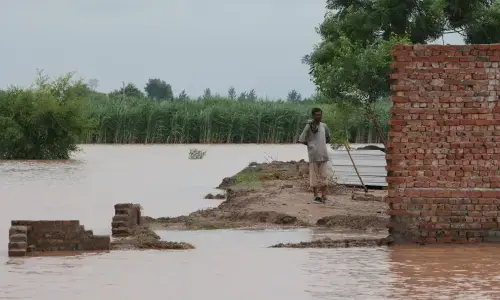
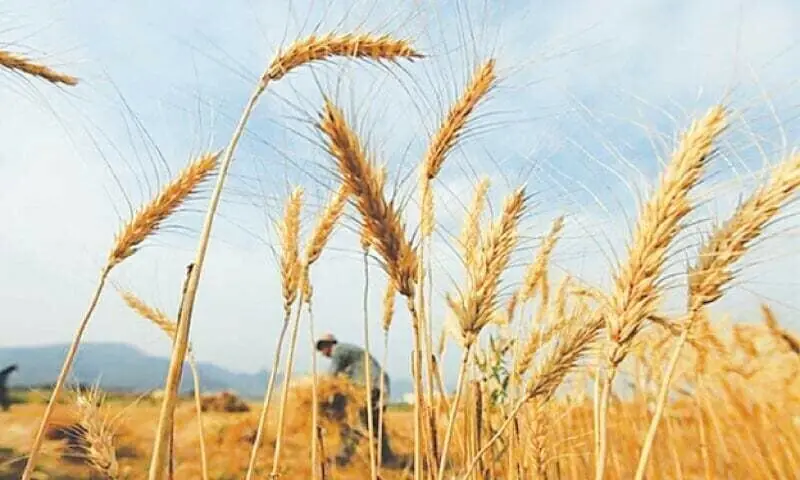
The report’s findings are painfully familiar for Pakistan, which has become an epicentre of climate-induced agricultural devastation. Disastrous floods have exacted massive human and economic costs and reshaped our farming landscape. The soil has suffered deep erosion, with vast tracts facing rising salinity; irrigation and drainage networks remain damaged or dysfunctional. The effect is a decline in productivity in a sector that employs over a third of the labour force and is the backbone of national food security and the export industry.
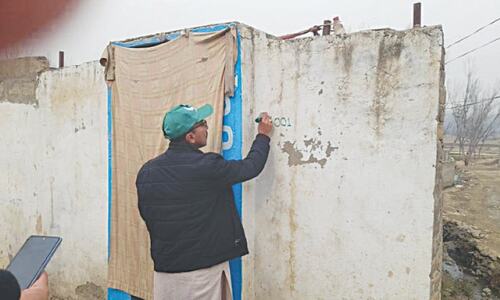
The country’s weak capacity to store, process and transport food has deteriorated further under the strain of repeated shocks. Food inflation, which disproportionately hurts the poor, has become a structural feature of the economy due to supply disruptions caused by the changing climate including extreme weather events. Disruptions to the farm economy extend far beyond immediate crop and livestock losses, and spill over into markets, financial systems, public health and social stability. Although digital technology is a game-changer, we lag behind other countries in digital crop monitoring, while farmers’ access to advisory services is patchy at best, with negligible insurance penetration. Where digital tools do exist, they are not integrated into local decision-making.
Pakistan urgently needs a national strategy to mainstream digital agriculture: crop mapping using remote sensing, AI-based pest surveillance, mobile advisory hubs and disaster-indexed insurance. The tools exist, but political will and investment are missing. The window for building tech-based resilience is closing faster than policymakers seem to realise.
Published in Dawn, November 17th, 2025