2
2

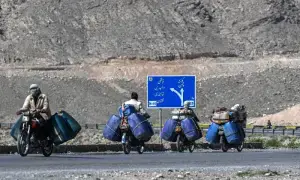
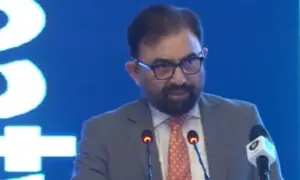
ALONG with Balochistan, KP has borne the brunt of terrorist attacks in the country, especially from across Pakistan’s western border. That is why it is essential to listen to what the people of the province have to say when framing counterterrorism policies and discussing plans vis-à-vis Afghanistan at the federal level. In this regard, the KP government on Wednesday organised a peace jirga in Peshawar inviting sitting and former lawmakers, together with members of civil society and tribal elders, to contribute to the discussion on how to address the problem of militancy in the province and deal with the Afghan Taliban regime. While many such gatherings have recently taken place at various levels and in multiple parts of the province, the official moot was attended by all the major political parties in KP, as well as by different segments of society. The jirga called for prioritising negotiations with Afghanistan to establish durable peace, keeping trade routes with Pakistan’s western neighbour open, and reducing tensions between the provincial government and the centre.
Such efforts are welcome, as they provide an open forum for stakeholders to air their views on key matters. KP’s views are important — strained relations with Afghanistan affect not only the provincial economy, but also social and cultural relations in a situation where there are divided tribes straddling both sides of the border. Meanwhile, the emphasis on talks at the jirga is understandable, as KP and the erstwhile tribal areas have been suffering from terrorism and frequent operations for over two decades. People are justifiably tired of the seemingly endless violence and displacement, and desire normalcy. Yet achieving this peace has proved highly elusive, as negotiations with the Afghan Taliban have yet to yield a concrete pathway to normality and an end to militant violence. One of the main obstacles to peace is the Afghan Taliban’s refusal to give guarantees to Pakistan that they will rein in cross-border terrorism. While no province should be directly dealing with foreign states, as it is the centre’s responsibility to conduct international parleys, their input must always be encouraged and welcomed. The federal government must listen closely to what the people of KP have to say — they are, after all, on the front lines of the current conflict and whatever they say merits serious thought.
Published in Dawn, November 15th, 2025