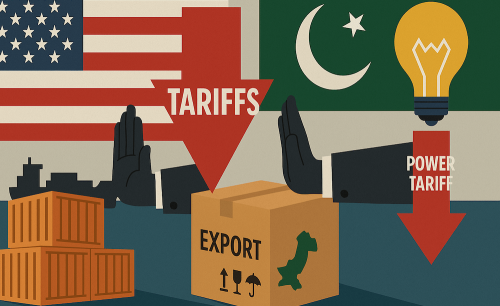
Tariff maze bleeding economy: PIDE
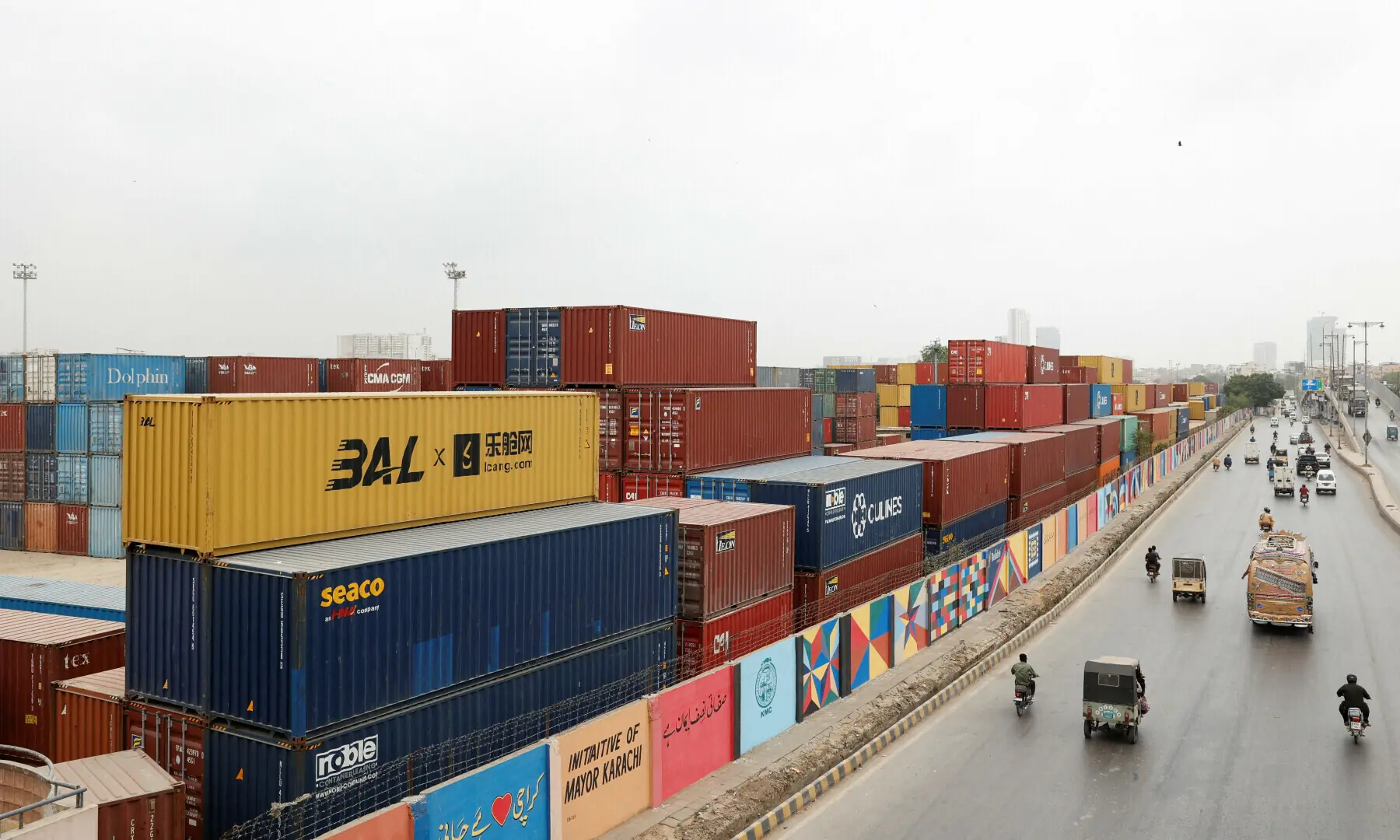

ISLAMABAD: Pakistan’s existing protectionist and overly complex tariff system is costing the economy billions of dollars annually, and bold reforms to end these trade barriers can boost exports by 14 per cent, according to a public sector think tank.
In a policy advice to the government, Pakistan Institute of Development Economists (PIDE), a think tank under the Planning Commission, said the current tariff system was overly complex, eroding industrial competitiveness, raising consumer costs, and deterring investment.
“Despite past reforms, it continues to protect inefficiency and limit integration into global value chains,” it said, calling for urgent action to transform tariffs from a barrier into a driver of growth.
It advocated moving decisively toward a simpler, transparent, and export-oriented tariff regime by rationalising rates, removing distortive exemptions, and aligning policy with long-term industrial and trade goals.
Think tank warns protectionist policies cost billions; urges phasing out of high duties for a simpler, pro-growth regime
Effective implementation of these reforms will unlock export potential, attract investment in high-value sectors, lower hidden costs, and strengthen fiscal outcomes, it said. The cost of inaction is rising, but timely reform can reshape Pakistan’s economic trajectory for decades, it added.
According to the study “Rationalising Pakistan’s Tariff Regime for Export-Led Growth”, Pakistan’s tariff regime — dominated by Regulatory Duties (RDs), Additional Customs Duties (ACDs), and 5th Schedule exemptions — had long protected inefficiency, distorted price signals, and raised production costs. As a result, both manufacturers and consumers face inflated costs, while export-oriented industries are handicapped by an anti-export bias. “Every additional year under the current tariff system slows export growth, raises production costs, and deepens the trade deficit. Pakistan can no longer afford this inefficiency,” warned Dr Uzma Zia, lead author of the study.
In contrast, bold implementation of the National Tariff Policy (2025-30) can transform Pakistan’s trade landscape by boosting exports, strengthening industrial competitiveness, lowering inflation, and integrating the country more deeply into global value chains. The rewards of timely reform are far greater than a transparent, efficient, and growth-oriented tariff regime that underpins sustainable industrial development and long-term prosperity. “It is therefore imperative that Pakistan must act now to simplify tariffs, eliminate distortions, and align trade policy with a forward-looking vision of export-led growth”, it said.
The study noted that the upcoming National Tariff Policy (NTP) 2025-30 provided a clear roadmap for reform, aiming to eliminate ACDs within four years and RDs within five, while transitioning products from the 5th Schedule to the 1st Schedule. If implemented effectively, PIDE projects that the new policy could increase exports by 10-14pc, strengthen industrial competitiveness, and reduce the trade deficit — while lowering inflation through reduced input costs.
To achieve these outcomes, the PIDE study recommends a comprehensive rationalisation of the customs duty structure from five slabs to four (0, 5pc, 10pc, and 15pc) within five years, alongside a complete phase-out of tariff peaks exceeding 20pc. Duties should be harmonised by product category — lowest on raw materials, moderate on intermediates, and highest on consumer goods — to promote industrial upgrading and attract investment in high-value sectors.
In addition, the study proposed aligning auto-sector tariffs with competitiveness and consumer choice under the Automotive Industry Development and Export Plan, including duty reductions, removal of ACDs and RDs, and allowing controlled import of used vehicles under strict quality and environmental standards.
The study cautioned that resistance from protectionist industries and external shocks, such as commodity price volatility and exchange rate shifts, could slow progress. However, it emphasised that the cost of inaction is far higher — in lost investment opportunities, stagnant exports, and persistent consumer hardship. PIDE concluded that Pakistan now stands at a pivotal moment: by embracing tariff rationalisation and aligning trade policy with competitiveness and global integration, the country can transition from revenue-driven protectionism to export-led, sustainable growth.
Published in Dawn, November 11th, 2025