India tests digital systems for biggest census
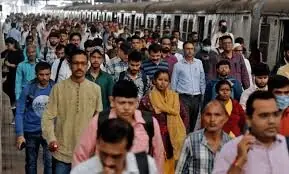
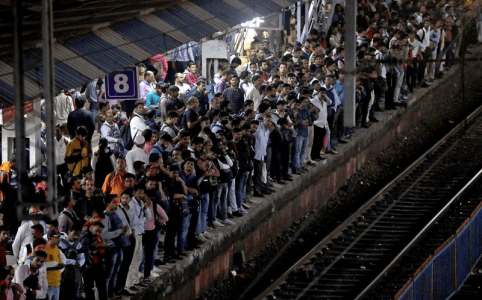
NEW DELHI: India is trialling mobile software systems as it prepares to conduct the world’s largest — and first fully digital — population census in 2027.
The upcoming census will be the country’s first since 2011 and will, for the first time since independence, register people’s castes — a politically sensitive exercise last undertaken in 1931 under British rule.
A 20-day trial begins November 10 in selected areas of the southern state of Karnataka.
It will test a mobile app-based data collection system and self-enumeration options designed to replace traditional paper-based methods.
“The objective is to assess the functioning and efficiency of the digital application across diverse areas — from urban regions to those with limited mobile network connectivity,” the Ministry of Home Affairs said in a statement.
“This trial marks a significant step towards India’s first-ever fully digital census, replacing traditional paper-based schedules.” The exercise presents an immense logistical challenge — voting in the 2024 general elections was electronic, and polling took place in seven phases over six weeks.
But a census must be conducted all at one time to fix a single snapshot of the population — and avoid any double-counting.
The main count is scheduled to take place on March 1, 2027.
But in high-altitude Himalayan regions — including Himachal Pradesh, Uttarakhand, Ladakh, and the disputed territory of Arunachal Pradesh — the census will begin earlier on October 1, 2026, before snowfall begins.
Caste remains a powerful determinant of social status in India, shaping access to resources, education, and opportunity.
More than two-thirds of India’s 1.4 billion people are believed to belong to historically disadvantaged communities, long subject to systemic discrimination.
The millennia-old social hierarchy divides Hindus by function and social standing.
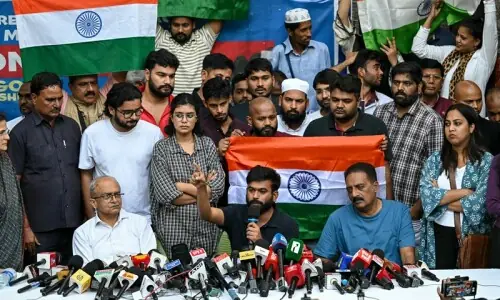
Prime Minister Narendra Modi’s Bharatiya Janata Party has in the past opposed the idea of enumerating people by caste, arguing it would deepen social divisions, but backed the new survey in May.
Proponents say detailed demographic information is crucial for targeted social justice programmes, including earmarking university seats and government jobs for socially disadvantaged communities.
Successive governments have avoided updating caste data, citing administrative complexity and fears of social unrest.
A caste survey conducted alongside the 2011 census was never released.
Published in Dawn, November 8th, 2025