Airspace constraints a challenge to Air India’s on-time performance, says CEO
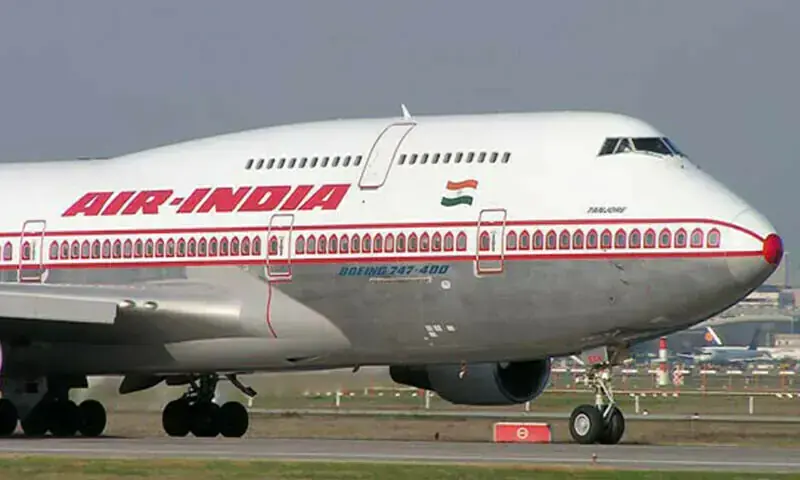


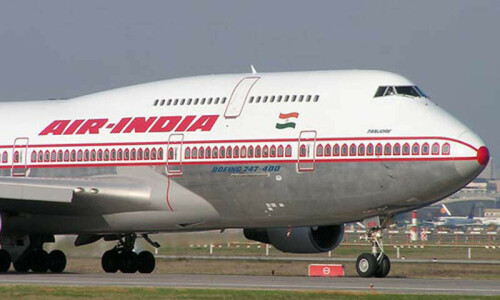
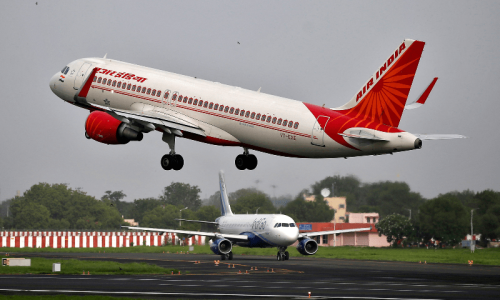
Air India’s Chief Executive Officer (CEO) Campbell Wilson acknowledged on Wednesday that airspace closures posed a challenge to the airline’s timely performance.
The airline has faced delayed jet deliveries and airspace closures due to geopolitical tensions, including bans imposed by Islamabad since April, when tensions with New Delhi intensified.
“Airspace constraints are a challenge to on-time performance,” CEO Wilson said at an Aviation India event in India’s capital city, speaking publicly for the first time since the June crash of the Boeing Dreamliner in Ahmedabad.
“We’re always looking at how we can keep improving,” CEO Wilson stated. “This year will be quite challenging from a business perspective … We’re also working with the investigators,” he added.
On April 24, in response to India’s decision to suspend the Indus Waters Treaty, Pakistan announced a series of measures, including the closure of its airspace to all India-owned or Indian-operated airlines with immediate effect.
India and Pakistan fought their fiercest military conflict in decades in May, sparked by an attack on Hindu tourists in India-occupied Kashmir that killed 26 people. New Delhi, without evidence, alleged that Islamabad backed the attack. Pakistan denied any involvement and offered a neutral probe.
Since then, the two nuclear-armed neighbours have closed their airspaces to each other’s airlines, with Islamabad most recently extending the ban till November 24.
According to a company letter seen by Reuters, Air India expects to face around $600 million in additional costs if the ban from Pakistan’s airspace lasts for a year.
Other Indian airlines, including IndiGo, also face higher fuel costs and longer journey times as they reroute international flights. Meanwhile, the Pakistan Airports Authority (PAA) also reported a shortfall of Rs4.1 billion in August, just over two months after closing its airspace to Indian-registered aircraft.
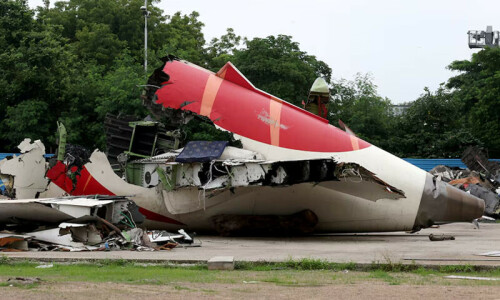
The delay in jet deliveries and airspace restrictions have weighed on Air India’s performance as it strives to recover from the plane crash of June 12 that killed 260 people.
The Tata Group-owned carrier has been facing intense scrutiny ever since the crash, from warning notices for running planes without checking emergency equipment to not changing engine parts in time and forging records, along with other lapses related to crew fatigue management.
India’s air accident investigating agency published an interim report earlier this year saying the plane’s fuel engine switches had almost simultaneously flipped from run to cutoff just after takeoff.