No borrowing in Q1FY26 despite interest rate cuts


 0
0
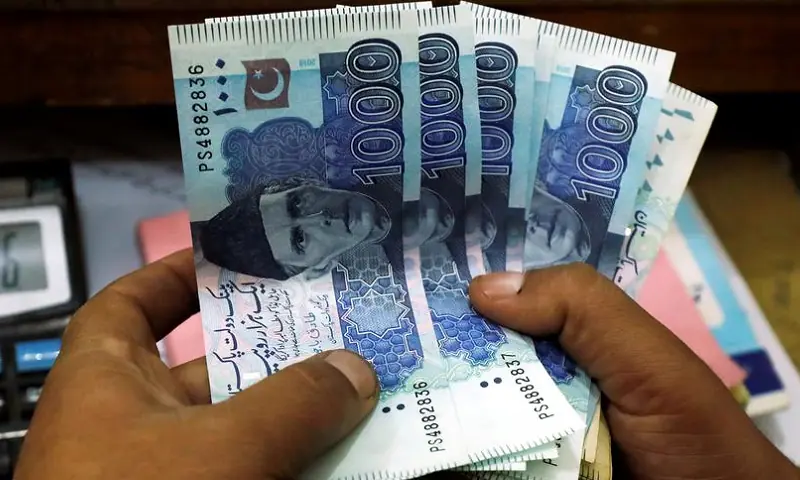

KARACHI: The first quarter of FY26 ended without any new borrowing by the private sector, highlighting weak economic activity across the country.
According to State Bank data released on Monday, the private sector instead retired Rs297 billion in debt during July-September compared to Rs18.5bn retired in the same period FY25.
However, the private sector borrowing in FY25 sharply increased and ended with over Rs1tr, much higher than previous two years.
The FY25 was much better as far as private sector borrowing was concerned but the economic output remained subdued with a growth of 2.68 per cent. The National Accounts Committee (NAC) later revised FY25 GDP growth to 3.04pc, citing a 5.66pc growth in the fourth quarter — a figure met with scepticism by independent economists.
Researchers said that despite lower interest rate of 11pc, the private sector is not ready to borrow which means other factors have entered the scenario that increased the uncertainty.
In the presence of political uncertainty, increasing terrorism in Khyber Pakhtunkhwa and Balochistan has aggravated the uncertainty.
“We will see more uncertainty as we have entered a war with the neighbour country, Afghanistan, and massive border clashes between the two countries were reported. If it continues, the private sector may not turn to banks this year,” said an industrialist.
He disclosed that Pakistani textile millers are leaving this country and investing in Bangladesh and far-flung countries like Mexico.
Despite this poor situation, banks have been earning profits with record growth. The government has been borrowing from banks and will borrow during the current fiscal year as the Federal Board of Revenue (FBR) is facing shortage of revenue.
The FBR missed its revenue collection target for the first quarter of FY26, resulting in a shortfall of approximately Rs199bn. Reasons included lower domestic sales tax and reduced revenue from utility bills, which are down because of factors like business slowdowns after flooding, power outages, and the shift to solar energy.
Published in Dawn, October 14th, 2025