Pakistan repays $500m Eurobond on schedule, reflecting ‘fiscal discipline, stronger economy’


 0
0
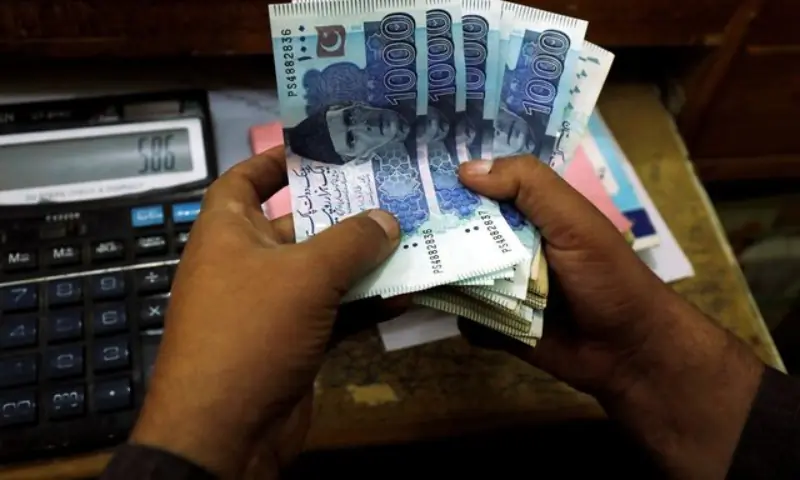

Pakistan has repaid its $500 million Eurobond on schedule, with the government saying the timely servicing reflects fiscal discipline, stronger reserves, improved ratings, and a more sustainable debt profile.
The bond, meant to raise funds from global investors, was issued in 2015 with a 10-year tenor and matured on September 30 this year.
Taking to the X platform, Adviser to the Finance Minister Khurram Schehzad announced the development, saying, “Timely debt servicing remains business as usual, reflecting the country’s commitment to financial discipline.”
He said the development was encouraging as it comes at a time when external buffers and liquidity have improved, sovereign ratings have been raised, and investor confidence is rising, with Pakistan’s bonds recently trading at a premium.
Schehzad further said that the debt-to-gross domestic product (GDP) ratio had improved from 77 per cent in FY20 to 70pc in FY25.
“External debt’s share in total public debt has declined from 38pc to 32pc in FY25, reducing FX vulnerability,” Schehzad added. “Debt growth has moderated sharply in FY25 versus in earlier years.”
Looking ahead, easing global borrowing costs, alongside stronger fundamentals, position Pakistan to access markets on more competitive terms and continue building a more sustainable debt profile, he said.
“This is a steady step forward — repayment as expected, but with stronger fundamentals, improved investor sentiment, and a more resilient outlook.”
Pakistan faced a prolonged economic crisis over the last few years, marked by critically low foreign exchange reserves, an acute balance-of-payment crisis, and the looming risk of default in 2023. The crisis was averted after the International Monetary Fund released a crucial loan tranche, while support from friendly countries, including China, the United Arab Emirates, and Saudi Arabia, also played a key role.
After averting default, Pakistan has undertaken tough IMF-prescribed reforms to stabilise its economy and bolster macroeconomic indicators. This year, global credit rating agencies like Fitch, Moody’s, and S&P Global raised Pakistan’s sovereign credit rating.