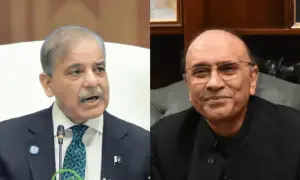
NATURAL disasters demand unity, not point-scoring. And yet, instead of sandbags, Pakistan’s coalition has reached for brickbats. While floodwaters devastated Punjab and Sindh, the PML-N and PPP traded shots over aid delivery. PPP chairman Bilawal Bhutto-Zardari wants the federal government to route relief through the Benazir Income Support Programme, a cash-transfer scheme with a national registry. Maryam Nawaz Sharif, Punjab’s chief minister, calls that “simplistic”, saying Rs10,000 handouts insult families who have lost homes, livestock and crops. She promises Rs1m packages. The clash is more than family drama between two dynasties. At stake is whether Pakistan can mount a coherent disaster-relief strategy. Mr Bhutto-Zardari argues that BISP remains the fastest way to get money into pockets, as during the 2022 deluge and Covid. He also urges an international appeal, hinting that donors could show flexibility if Islamabad moved early. Ms Nawaz insists on state-led reconstruction and rejects “begging”, invoking her father’s mantra of pride and self-reliance. Pride plays well; it does not patch roofs. Both leaders are right about something, and wrong in important ways. Speed matters. So does credibility. Large provincial promises are politically attractive yet operationally slow; in flooded districts, households need cash for food, transport, medicines and temporary shelter today. Conversely, modest BISP payments will not rebuild a house or a crop; they are a bridge, not the destination. Sindh’s pledge of a Benazir Hari Card and fertiliser assistance for small growers is sensible triage. Punjab’s compensation schemes are welcome, provided they supplement rather than supplant immediate transfers.
The obvious compromise is a layered design: rapid BISP disbursements to all verified households, followed by targeted provincial grants tied to damage assessments, while addressing transparency concerns with independent audits, real-time public dashboards and third-party verification. The PPP should not treat alternatives as attacks on its legacy; the PML-N should not discard the one instrument capable of reaching Gilgit-Baltistan, KP and south Punjab quickly. As for the foreign aid quarrel, successful states mix domestic mobilisation with external finance and still demand accountability from themselves. The real question is not to ‘beg’ r not but whether every rupee can be traced from exchequer to household. Politics will not stop the rain. The victims of Rajanpur or Khairpur care little whether a card bears Benazir’s name or Maryam’s signature. They will remember who helped first, fairly and transparently.
Published in Dawn, September 29th, 2025