0
0

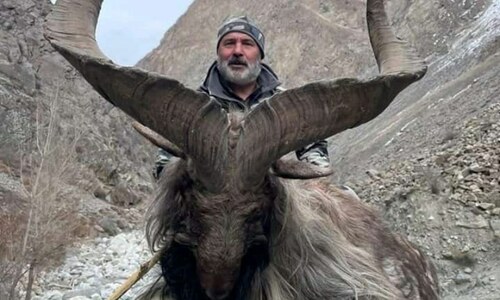
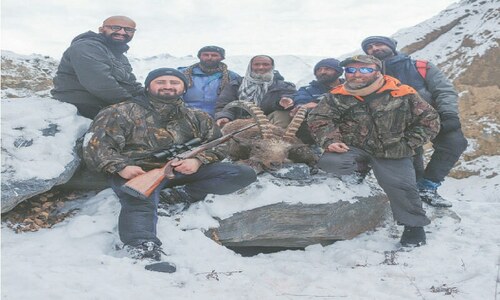
GILGIT: The Gilgit-Baltistan (GB) Wildlife and Parks Department will auction permits for 118 animals — including four Astore markhors, 100 Himalayan ibex, and 14 blue sheep — for the 2025–26 hunting season.
The bidding ceremony is scheduled to be held today (Wednesday) at the Forest, Parks and Wildlife Complex in Gilgit.
For the upcoming season, the base price of an Astore markhor permit has been raised to $200,000, while blue sheep and Himalayan ibex permits are set at $30,000 and $10,000, respectively.
Last year, the base rates were lower: $150,000 for markhor, $9,000 for blue sheep, and $5,500 for ibex. In the 2024-25 season, 118 permits were offered, but only 60 were purchased. The highest bid for a markhor reached $161,000, earning the GB government more than Rs30 million.
Officials note that prices in other regions, such as Khyber Pakhtunkhwa, can reach $500,000 for markhor hunts. However, local outfitters and tour operators argue the sharp fee hikes are damaging their businesses and discouraging international clients. They warn of losses for both outfitters and the local communities who rely on trophy hunting revenue.
Only half of the permits offered in last season found buyers amid various challenges
Ikram Beg, a Gilgit-based outfitter, said participation in the programme has dropped due to inflated rates, causing “devastating” impacts on livelihoods.
Similarly, Syed Sumsam Ali Bokhari, chairman of Safari Club International Pakistan Chapter, warned that rising prices undermine Pakistan’s competitiveness compared to neighbouring countries.
In Tajikistan, a markhor hunt costs about $160,000 including logistics; in Nepal, blue sheep hunts average $29,000; and ibex hunts in Central Asia range between $8,500 and $9,900.
Mr Bokhari added that security concerns, geopolitical tensions, and recent terrorist attacks in hunting regions such as Chitral further reduced the country’s attractiveness as a destination.
He urged the GB wildlife department to reconsider its pricing strategy to align with regional market trends.
Launched in 1990 in Bar Valley, Nagar, GB’s trophy hunting programme involves local communities, who receive about 80 per cent of hunting revenues for conservation and development projects.
While it has been credited with protecting endangered species, stakeholders fear the latest price hikes could jeopardise its sustainability.
Published in Dawn, September 3rd, 2025