Pharwala Fort: a crumbling reminder of Potohar’s Muslim past
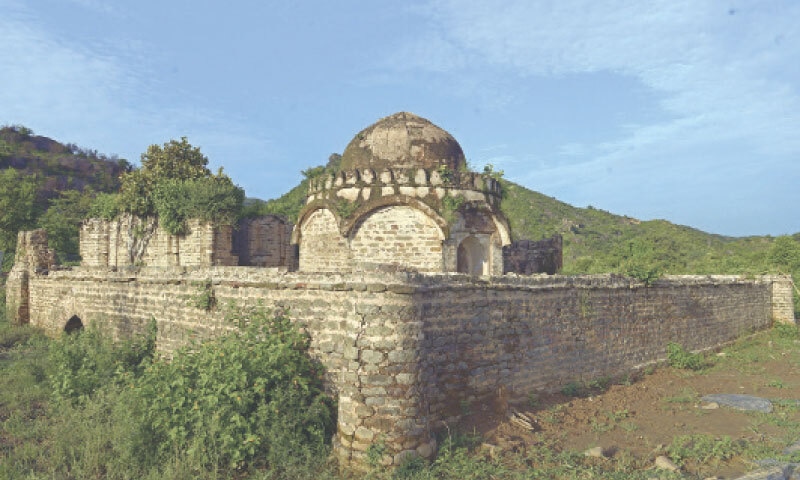
Nestled between the Himalayan mountain ranges and the Soan River, the over 500-year-old Pharwala Fort stands as a reminder of the Potohar region’s past under Muslim rule before the Sikh and British Raj.
Located approximately 40 kilometres from Rawalpindi, near Kahuta, the fort, along with the mausoleum of the last Gakhar chieftain, Sultan Muqarab Khan, and the oldest mosque in Islamabad, requires government attention for preservation.
Historically, the Pharwala Fort was once part of the Gakhar dynasty, which stretched from Attock to Jhelum and Gujrat, including parts of Azad Jammu and Kashmir and Hazara.
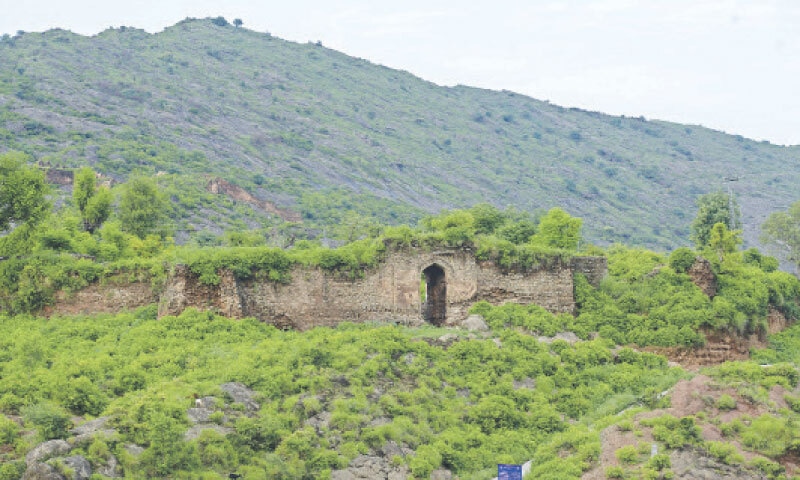
The fort served as a defence headquarters with the capacity to house 500 soldiers, 50 elephants and 100 horses. According to historians, it was considered the stronghold of the Gakhar clan until it was conquered by Mughal emperor Babur in 1515.
The Himalayan range lies on one side of the fort and the Soan River on the other. The last battle between Muslims and Sikhs was also fought here. Once, it was the main defensive fort protecting Rawalpindi.
The Gakhar Mosque, also known as Mai Qamro Mosque, is another remarkable specimen of Gakhar architecture. Built in the early 16th century, it is the oldest mosque in Islamabad, situated in Bagh Juggian on the west bank of the Soan River near Pharwala Fort.
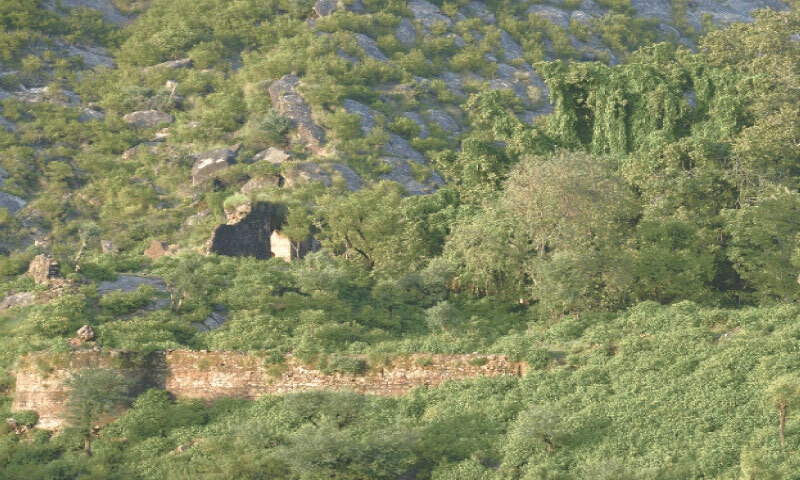
According to officials of the Department of Archaeology, the mosque is believed to have been built by Mai Qamro, wife of Hathi Khan Gakhar and a descendant of the Gakhar dynasty. Women enjoyed influential positions during the Gakhar rule, and Mai Qamro gained fame for her contributions to arts and architecture.
According to The Punjab Chiefs by Major W.L. Conran and H.D. Craik, the last independent Gakhar chief, Sultan Muqarab Khan, was the most powerful ruler in the region. He defeated Yousafzai Afghans and Jung Kuli Khan, captured Gujrat, and overran the Chib lands as far north as Bhimbar. Sultan Muqarab Khan joined Ahmed Shah on several Indian expeditions and was treated with great consideration, being confirmed in possession of his vast territories stretching from the Chenab to the Indus.
However, in 1765, Sardar Gujar Singh Bhangi, a powerful Sikh chief, marched from Lahore with a large force against him. Muqarab Khan fought a battle outside Gujrat but was defeated and forced to retreat across the Jhelum, giving up his possessions in the Jech Doab. His power broken, rival chiefs of his own tribe turned against him. Himat Khan of Domeli captured him through treachery, put him to death and assumed leadership of the tribe.
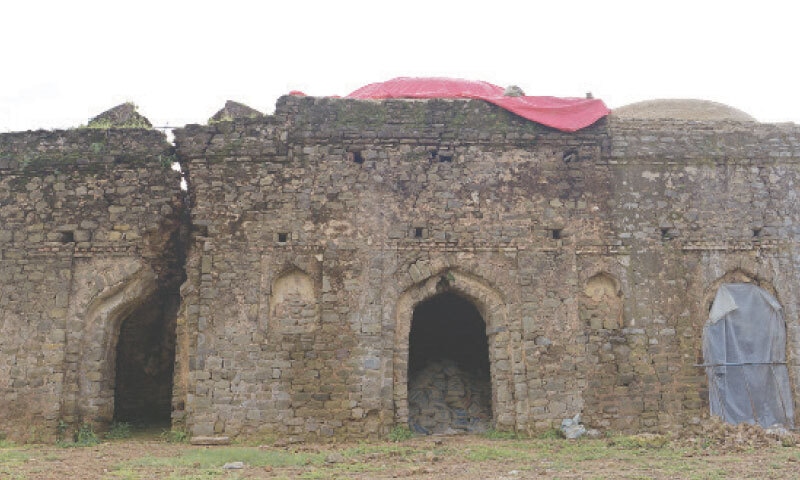
Muqarab Khan’s two elder sons initially held the fort but later quarreled. Sardar Gujar Singh Bhangi seized everything except Pharwala, which remained divided between the brothers until 1818. Later, Anand Singh Thepurin, grandson of the famous Milka Singh of Rawalpindi, seized their entire estates, relegating them to poverty. In 1826, however, the family regained some property rights to Pharwala Fort.
Locals said the fort and its adjoining areas remain vulnerable to mushrooming housing schemes and urged government intervention to preserve the site for history lovers. One resident said the lack of a proper road from Aliot had turned the fort into a “ghost house.” Traces of the fort are slowly disappearing due to the collapse of protective walls, and the compound, once used for horses and elephants, has now become a den for buffalo and goats.
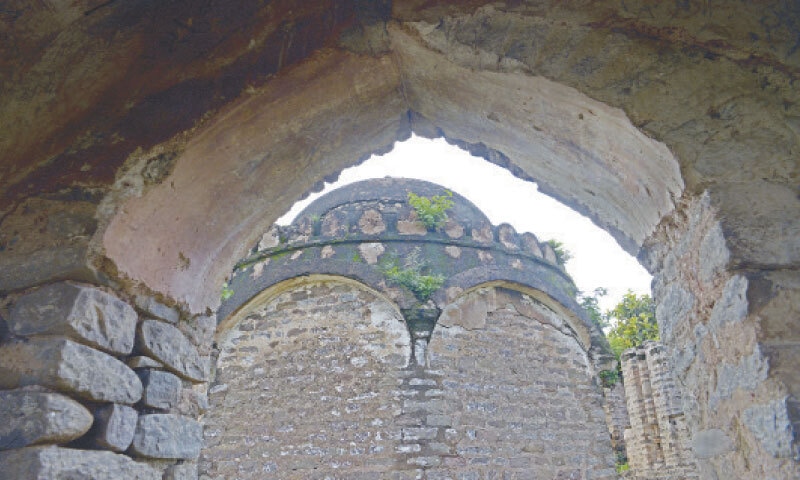
Several houses around the fort have encroached on its premises. While its main gate, once used by elephants and horses, still exists, the other five gates have been completely destroyed.
In September 2023, the federal Department of Archaeology and Museums launched conservation and preservation work on the neglected fort. This included clearing dense foliage, excavating two feet of debris, engaging the local community for security, and providing supporting facilities. The renovated fort was opened to the public in January 2024.
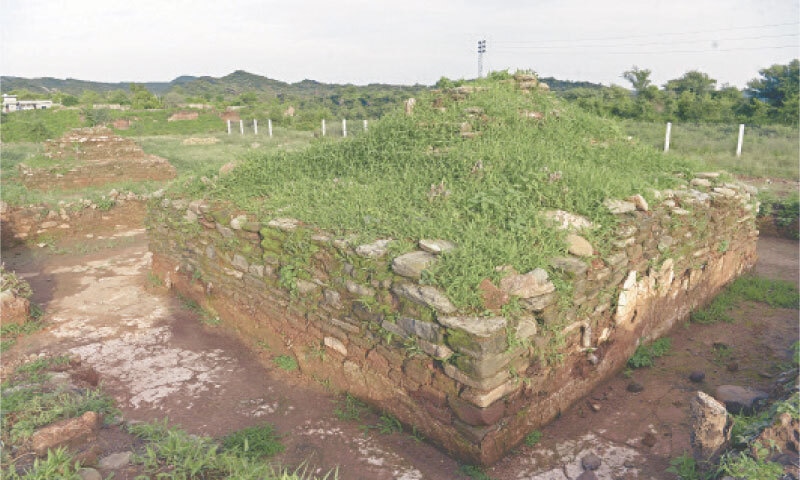
Since then, no additional preservation work has been carried out on the fort, mausoleum, or mosque by federal or provincial authorities, despite their importance as reminders of the Potohar region’s history and the Muslim rule before the Sikh and British Raj in Punjab.
Published in Dawn, August 25th, 2025