ISLAMABAD: The Shia Ulema Council (SUC) and Tehreek Nafaz Fiqh-i-Jafariya (TNFJ) have rejected the recent agreement between the governments of Pakistan, Iran and Iraq related to pilgrimage via land routes during the Chehlum of Imam Hussain, terming the new regulations “unjustified and discriminatory.”
Addressing a news conference at the National Press Club with some tour operators, SUC leaders Dr Allama Shabbir Hassan Maisami and Vice-President Allama Arif Hussain Wahidi said, “We are in direct contact with the ambassadors of Iran and Iraq. There is no issue at their end. The real obstruction is being created here in Pakistan.”
Allama Wahidi criticised the move, saying, “The government has suddenly created an unnecessary issue. It seems the state is determined to deprive the poor of their religious rights. Instead of banning the route, the government should provide security to pilgrims.”
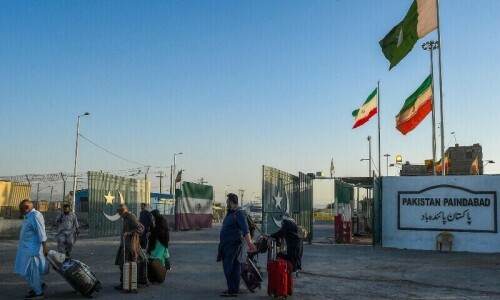
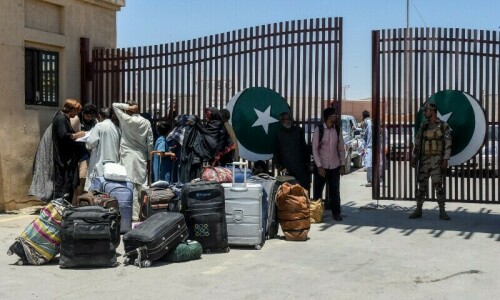
He added that the government was trying to send a wrong message by closing the Taftan border.
“This has another meaning: has the state’s writ in Balochistan ended?” he questioned. He added that pilgrims saved money the whole year to make this spiritual journey.
“If the ban is not lifted, we have several options to respond. People have already spent a huge amount on hotel bookings in Iran and Iraq, besides making other arrangements.”
The council appealed to the president and prime minister to immediately reopen the land routes for pilgrimage.
The decision in this regard was made recently by the interior ministers of Pakistan, Iran and Iraq to streamline the pilgrimage. It was observed that some human smugglers used to cross the border into Iraq and Iran for onward journey to Europe via Turkey.
The other restriction has been limiting the movement of individual pilgrims, and Ziarat tour operators were being registered by the Ministry of Religious Affairs to maintain data of pilgrims.
TNFJ asks govt to revoke decision
Tehreek Nafaz Fiqh-i-Jafariya (TNFJ) also demanded that the government revoke its decision to ban pilgrimages via land routes.
In a statement, TNFJ Secretary General Allama Raja Basharat Hussain Imami stated that such a ban gave the impression that the state was helpless in the face of terrorism.
Instead, he said the state should demonstrate its strength in a practical manner by ensuring the security of pilgrimage journeys.
The ban, he added, would deprive poor pilgrims of the opportunity to undertake the sacred journey.
“Pakistan’s military is fully capable of providing protection to the Zaireen (pilgrims).
The government and the people of Pakistan will jointly defeat terrorism through unity,“ he said.
The TNFJ secretary general noted that pilgrims had already spent billions of rupees and the sudden ban would result in severe financial losses for them.
He emphasised that it was government’s duty to provide equal protection and basic rights to all citizens and this responsibility must not be neglected under any circumstances.
Any restriction on the mourning rituals of Imam Hussain (AS) or the sacred journey of the Zaireen will never be accepted.
Speaking on the occasion, tour operators Syed Shahid Kazmi and Syed Khurrum Abbas said only the last year, the government had introduced a set of restrictions last year which included the category of buses to carry pilgrims and other formalities related to the route, bus and the drivers.
“I have to book two buses for Iran and Iraq and back for Rs5 million each. Now the government has banned all land travel,” said Mr Kazmi.
While another tour operator Rooh Abbas questioned if travel by land route was cancelled what would happen to the visa fee, hotel bookings and payments for other arrangements already made in other countries.
“They will not return the money and the pilgrims will demand their money back if they cannot proceed,” Mr Abbas said. — Aamir Yasin from Rawalpindi also contributed to the report
Published in Dawn, July 29th, 2025