The State Bank of Pakistan (SBP) is expected to hold its policy rate on Monday, a Reuters poll showed, as many analysts shifted their previous view of a cut in the wake of Israel’s military strike on Iran, citing inflation risks from rising global commodity prices.
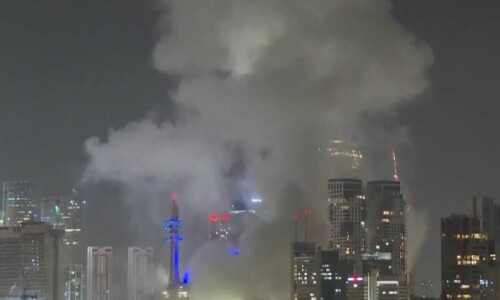
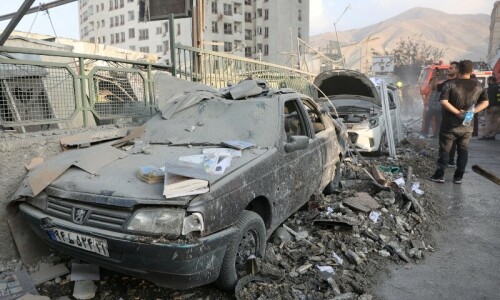
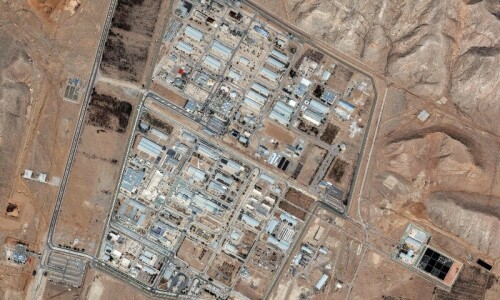
Israel said on Friday (today) it targeted nuclear facilities, ballistic missile factories and military commanders in a “preemptive strike” to prevent Tehran from building an atomic weapon.
Several brokerages had initially expected a cut but revised their forecasts after the Israeli strikes sparked fears of a broader conflict. The escalating hostilities triggered a sharp spike in oil prices — a worry for Pakistan given the broader impact on imported inflation from a potentially prolonged conflict and tightening of crude supplies.
Eleven of 14 respondents in a snap poll expected the SBP to leave the benchmark rate unchanged at 12 per cent. Two forecast a 100 basis-point cut and one predicted a 50 bps cut.
“There remains an upside risk of a rise in global commodity prices in light of geopolitical tensions which could mark a return to inflationary pressures,” said Ahmad Mobeen, senior economist at S&P Global Market Intelligence.
“The resultant higher import bill could also threaten external sector performance and bring pressure to the exchange rate.”
Inflation has been declining for several months after it soared to around 40pc in May 2023.
Last month, however, inflation picked up to 3.5pc, above the finance ministry’s projection of up to 2pc, partly due to the fading of the year-go base effects. The SBP expects average inflation between 5.5pc and 7.5pc for the fiscal year ending June.
The SBP paused its easing cycle in March after cumulative cuts of 1,000 basis points from a record high of 22pc, and resumed it with a 100-basis-point reduction in May.
The policy meeting follows the release of a tight annual budget, which saw defence spending raised by 20pc but overall expenditure was reduced by 7pc, with GDP growth forecast at 4.2pc.
The government says the $350 billion economy has stabilised under a $7bn International Monetary Fund bailout that helped it stave off a default threat.
Some analysts are sceptical of the government’s ability to reach the growth target amid fiscal and external challenges.
Abdul Azeem, head of research at Al Habib Capital Markets, which forecast a 50-bp cut, said a lower rate could “support the GDP target of 4.2pc and reduce the debt financing burden”.