AS we observe the World Day Against Child Labour today (June 12), Pakistan remains haunted by the pervasive pre-sence of children trapped in exploitative labour. Despite repeated promises and policies, the streets, workshops and households across the country still echo with the silent suffering of children denied their right to childhood.
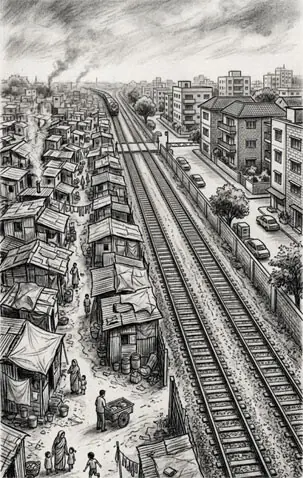
With children comprising over 40 per cent of the population, approximately 112 million, the responsibility on the nation is enormous. Yet, these young lives are routinely found working in tea stalls, car workshops, brick kilns, garbage dumps, markets and even as waiters at canteens inside educational institutions, when they should be in the classrooms. This alarming situation is a direct ref-lection of poverty and our failure as a society.
According to the Child Labour Survey 2022-23, Khyber Pakhtunkhwa (KP) has 11.1pc of its children engaged in labour, while in Balochistan, particularly in provincial capital Quetta, undocumented child labour remains widespread. National estimates by a non-profit organisation suggest there are over 12 million child workers in Pakistan today.
Although Pakistan made moderate progress in 2023, such as the passage of the Punjab Home-Based Workers Act, which prohibits the employment of children under 15 in home-based work, these measures are not enough to uproot the deeply entrenched issue.
At the federal level, the Criminal Law (Amendment) Bill, 2024, proposing Section 374-A in the Pakistan Penal Code (PPC), seeks to outlaw child domestic labour. Still, we see young children working in homes, which is a harsh reminder that legislation alone is not enough without accountability and enforcement.
Besides, institutions, like, for instance, the National Commission on the Rights of the Child (NCRC) have shown inadequate impact, lacking the power and support to prevent such abuses. Moreover, the enforcement of existing child labour laws is weak due to poor coordination, limited inspections, and societal tolerance of child exploitation.
The root causes remain entrenched in poverty, illiteracy, unemployment, and a lack of accessible education. Families often feel compelled to send their children to work, while employers continue to take advantage of the lack of oversight.
Pakistan is a signatory to the United Nations Convention on the Rights of the Child, and has passed multiple laws, including the Employment of Children Act, 1991. Yet the disconnect between law and reality is glaring.
We must go beyond awareness cam-paigns. What is urgently needed is stricter enforcement, public education, increased school access, and institutional reforms.
Shehr Yar Abdullah
Quetta
Published in Dawn, June 12th, 2025