• Judge warns action against educational institutions allowing frequent direct deliveries
• Islamabad police apologise over report downplaying issue’s gravity
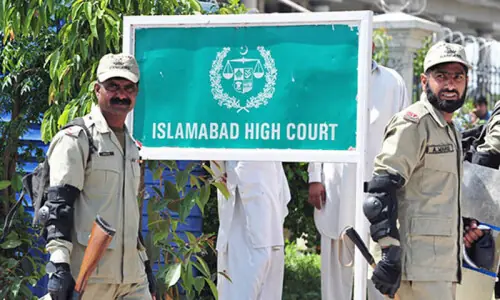
ISLAMABAD: In a significant development, the Islamabad High Court (IHC) on Monday imposed a ban on all direct courier and food deliveries to students in the federal educational institutions.
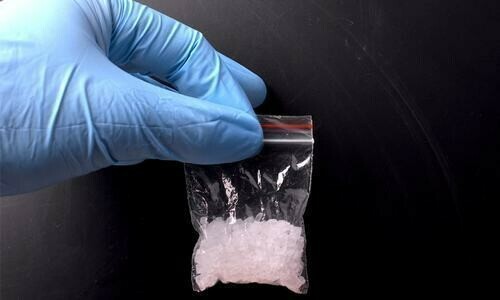
Justice Raja Inaam Ameen Minhas issued the directive amid concerns that drugs were being smuggled into campuses through food orders and courier packages.
The ruling from the judge came during the hearing of a petition filed by Lakki Foundation, a civil society organisation, highlighting the alarming rise in drug addiction among students in Islamabad.
The court ordered that educational institutions allowing frequent direct deliveries be investigated and action taken against those failing to comply.
“Children are ordering pizza — and also drugs. This must stop,” Justice Minhas remarked, emphasising that delivery personnel had become a conduit for narcotics entering campuses.
“You must implement this order immediately and submit a compliance report by the next hearing,” the judge directed the concerned authorities.
The court also summoned a report from the secretary cabinet on whether the National Anti-Narcotics Council, a high-powered body involving the prime minister and all the four chief ministers, had been constituted. Justice Minhas questioned the delay in establishing the council and its critical role in national drug control efforts.
During the proceedings, the Islamabad police apologised for a previously submitted report, which had downplayed the urgency of the issue.
The judge reprimanded the police for prioritising VIP security over student safety and issued a show-cause notice to the assistant inspector general (operations) to explain the stance.
According to the police report, surveillance had been increased at over 1,000 institutions, and collaboration with the Anti-Narcotics Force (ANF) had led to 577 drug-related cases since 2019. However, the previously submitted report admitted that VIP protection remained a higher priority, limiting resources for anti-drug operations.
The petitioner’s counsel, Kashif Ali Malik, cited data showing a disturbing trend: between 43–53pc of students in elite schools reportedly used drugs with heroin, hashish, and methamphetamine being the most common. He urged the government to focus on educational interventions rather than just policing, adding the curriculum must address drug awareness.
The court was informed that the Ministry of Education had included drug prevention material in the current curriculum with plans to expand this in future editions.
Justice Minhas urged swift and decisive action to protect students, stating: “This is not just a law and order issue, it’s about the future of our youth.”
The hearing was adjourned until May 28 with orders for a detailed compliance report on delivery restrictions and institutional accountability.
It may be recalled that the National Assembly Standing Committee on Human Rights in its meeting on January 2 had voiced concerns over the rising incidents of child begging, child abuse, and drug use in both private and government educational institutions and directed the Ministry of Human Rights and the National Commission on the Rights of Child to take measures to combat these growing social evils.
The committee had also urged the Ministry of Human Rights to collaborate with the Ministry of Education to raise awareness about the dangers of drug use, child abuse and the misuse of social media platforms among students.
Published in Dawn, May 13th, 2025