WHILE banned outfits continue to commit terrorist acts, it is the common man in Balochistan who suffers, for it is his story which remains untold amid ‘protests’ and chaos.
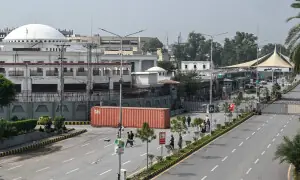
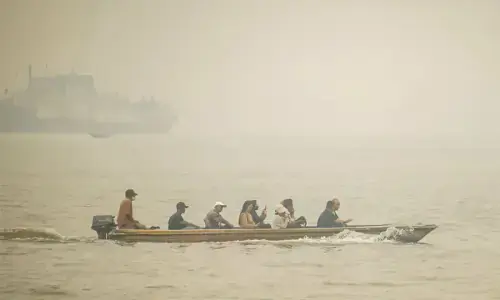
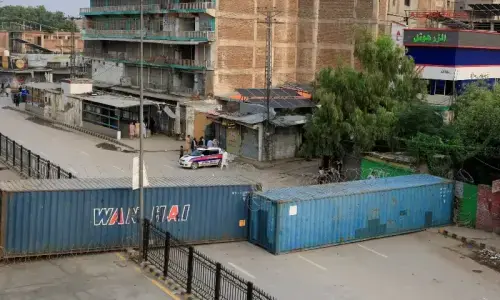
The discovery of natural gas in Sui area during the Ayub era was seen as a turning point for the Bugti tribe, but the economic condition of the area and its inhabitants remained stagnant. The accompanying image provides a glimpse of how life moves in the area.
Subsequently, four more gas reserves — Pir Koh, Zain Koh Loti, Uch and Toba — were discovered in the 1980s and 1990s. While this boosted the tribe’s economy to some extent, the lack of technical skills among the Bugti people limited their opportunities to low-level jobs.
Historically, the tribe’s economy relied heavily on agriculture, sustained by natural water sources. The cultivated lands were controlled by the tribal chief, who held significant influence over the tribe’s economic activities. Over time, the primary source of income shifted to jobs in gas companies.
Nawab Akbar Bugti gained prominence at the federal level due to his intellectual prowess, political acumen, and control over the resource-rich region. He held various positions, including those of the provincial chief minister and governor.
But his focus on improving the lives of his tribe was limited. After his death in a military operation, many Bugtis were forced to migrate, and a significant number lost their jobs in gas companies after being accused of committing anti-state activities. While some allegations may have been valid, many were victimised simply for being part of the tribe.
Although the military later facilitated their return, most people were not re-instated, and many were forced into early retirement. The agreements made during the Ayub era were disregarded, and new tribal leaders were appointed without honouring past commitments. Nearly 800 families still wait for their jobs based on the agreement.
Today, over 60 per cent people of the Bugti tribe live below the poverty line. This is due to restrictions on herding their live-
stock in certain areas due to security concerns imposed by security forces and gas companies, as well as the lack of job opportunities.
Additionally, cultivated lands have been allotted to the grandsons of Akbar Bugti. In 2013, the Kachi Canal project was announced, but it has remained stalled.
The literacy rate among the Bugti tribe is less than 20pc, with female literacy being the lowest in the country. Out of more than 300 primary schools, only 20 are functional. There are 20,000 children out of school, and the dropout rate exceeds 85pc. The healthcare is just about non-existent. The absence of gynaecologists continues to claim lives during childbirth.
Government buildings resemble relics of an ancient kingdom, roads are in a deplor-able condition, and public spaces are occupied by security personnel. Only 30pc of the population has access to clean water.
Gas connections are limited to a few hundred households, and most people rely on burning wood for their daily needs. These are not acceptable living conditions in this day and age. The government must take immediate steps to improve the lives of the Bugti people.
Abdul Ghaffar Bugti
Dera Bugti
Published in Dawn, April 6th, 2025