Remembering APS


IT was a day of infamy — unfortunately one of many in this country’s turbulent history.
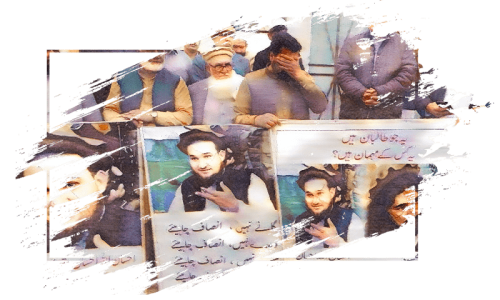
On this day in 2014, the brutal nature of the militant threat in Pakistan painfully manifested itself as terrorists attacked the Army Public School in Peshawar, massacring nearly 150 students and teachers.
While terrorists had shed innocent blood in previous incidents as well, APS was the breaking point, when a shell-shocked nation demanded answers from those who rule this land. The cancer of terrorism was fast devouring the country, and unless the state took action, it threatened to spread across Pakistan. Pledges were made — particularly to crush the TTP, which was responsible for the atrocity, and other terrorist gangs — while the National Action Plan was hammered out to cleanse the country of armed militancy and extremism. Ten years later, where do we stand?
Though NAP was updated in 2021, Pakistan is still far from being free of terrorism and violent extremism. While militant attacks on civilian targets have come down, the TTP — as well as other violent actors — have staged a resurgence. These groups were given a big boost after the Afghan Taliban swept into Kabul in 2021. Today, it is primarily security personnel, belonging both to the military and police, who are being targeted by terrorist groups, though civilians have also been hit.
In fact, a Pakistani representative told a UN meeting recently, the TTP “poses a direct and daily threat to Pakistan’s security”, adding that the terrorist group was poised to become the “arm” of Al Qaeda in the region. While the Afghan Taliban may be providing the TTP safe havens, the state has failed to evict the group from all of Pakistan’s territory. Moreover, fanatical elements that provide the ideological fuel to violent extremists continue to function, though they may be keeping a low profile. This includes sectarian groups, as well as outfits that have weaponised the sensitive issue of blasphemy to forward their dark agendas. Unless these groups are decommissioned, the battle will be impossible to win.
The heirs of the APS martyrs have time and again demanded that the state fully implement NAP. Indeed, this is the only way to end the menace of militancy and reverse the process of radicalisation. Countering extremism may take a generation or two — the seeds planted during the Zia dictatorship have today turned into tall trees bearing bitter fruit.
Yet the state must fully commit itself to these efforts if Pakistan is to be rid of terrorism and fanaticism. Sadly, the state appears more enamoured of silencing the political opposition; counterterrorism does not appear high on its list of priorities. This attitude must change if we are serious about ensuring that the events of that dark day are never repeated.
Published in Dawn, December 16th, 2024