ISLAMABAD, April 12: Pakistan and India have agreed to seek a solution to the Kashmir problem through quiet diplomacy and major initiatives in this regard will be first taken up at the top level, rather than being discussed in the media, sources have told Dawn.
Back-channel diplomacy will be used to debate proposals like self-governance, demilitarisation and independence, according to the sources.
The sources said intellectuals and former bureaucrats and generals of the two countries, who were to meet here during the current month, would now gather in New Delhi in September to discuss various solutions. They would later brief their governments about the outcome of their meetings and various proposals for resolving the dispute, the sources said.
They said that while pursuing ‘track two diplomacy’, the government would continue to urge the Bush administration to play a greater role than just facilitating talks between the parties.
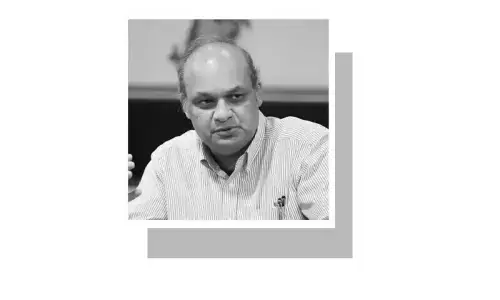
Former foreign secretary Niaz A. Naik, who heads the group from Pakistan in the track two diplomacy, believes that discussing different options on the quiet stood a better chance to find common ground to reach an agreement than discussions in the open.
The sources said India felt more comfortable in also discussing options and proposals on Kashmir through National Security Council Secretary Tariq Aziz.
The government had been told, they said, that the coalition government in India was weak and not powerful enough to take any “bold or innovative” decision on Kashmir.
In that backdrop India was inclined to discuss options quietly, the sources said.
They said that for Pakistan differences in the All Parties Hurriyat Conference were a serious issue due to which New Delhi was able to delay negotiations on the issue.
During their recent visits to Pakistan, APHC leaders, especially Mirwaiz Omar Farooq and Yasin Malik, were told to narrow their differences, which would strengthen Pakistan’s position in talks with India, the sources said.
Sources said the Mirwaiz and leaders like former Azad Kashmir president Sardar Abdul Qayyum had developed an understanding on resolution of the issue.