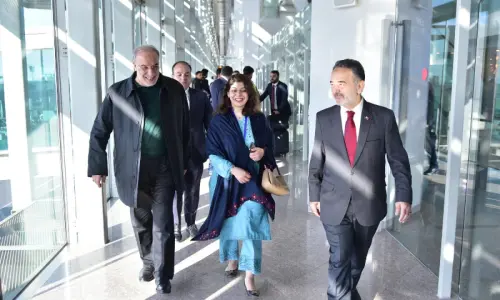
IN a much-needed development for the overexploited and climate change-ravaged Indus river, the UN has included Pakistan’s Living Indus Initiative among its seven World Restoration Flagship programmes. The LII was born in 2022 out of a comprehensive consultation process, involving academia, experts, stakeholders, and provincial governments. Spearheaded by then climate minister Sherry Rehman, the initiative was ambitiously pegged as the country’s largest climate project, aimed at addressing the multifaceted environmental challenges plaguing the ‘mother of the nation’. The river’s ecological degradation has posed severe threats not only to biodiversity but also to the livelihoods of the millions who depend on it. The Indus has tragically come to be known as the second most polluted river in the world.
The LII, with its 25 priority interventions, targets a holistic restoration of the river basin. From nature-based resilience agriculture to combating industrial effluent and promoting green infrastructure, the initiative aims to revitalise the Indus, ensuring its sustainability for future generations. The UN’s involvement brings invaluable technical and financial assistance to the LII. With the UN’s backing, the LII is poised to restore over 30pc of the Indus basin by 2030. Central to the importance of the LII’s mission is the rich biodiversity of the Indus basin. It is home to 195 mammal species, at least 668 bird species, and over 150 fish species, including 22 endemic ones and the endangered Indus blind dolphin. These species, many of which are unique to the region, are in urgent need of concerted efforts to protect and restore their habitats. As we welcome the global recognition and support for the LII, it is imperative to remember the stakes involved. The health of the Indus river is intrinsically linked to the prosperity of Pakistan and the well-being of its people. It is one of our most critical natural resources and must be jealously protected. Our survival depends on it.
Published in Dawn, February 15th, 2024