0
0
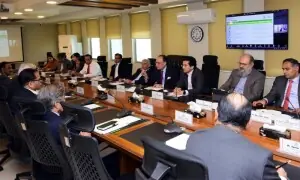
SWABI: The First International Conference on Climate Change and Emerging Trends in Civil Engineering (CCETC-2024) began at the Ghulam Ishaq Khan Institute of Engineering Sciences and Technology here on Monday.
Experts from around the world came together to talk about how they could deal with climate change in the context of civil engineering.
The event brought together scholars, researchers, industry leaders and policymakers, who are committed to tackling the challenges posed by climate change in civil engineering.
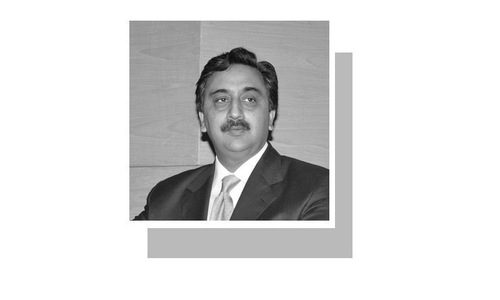
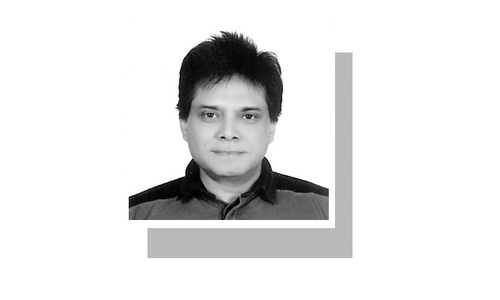
Shakil Durrani, the executive director of Society for Promotion of Engineering Sciences and Technology in Pakistan (Soprest), was the chief guest.
Prof Tauha Hussain Ali, Vice-Chancellor, Mehran University of Engineering and Technology, Jamshoro, and Prof Attaullah Shah, Vice-Chancellor Karakoram International University, were the guests of honour.
The opening day featured keynote speeches, panel discussions and workshops, setting the stage for important conversations and sharing of knowledge throughout the conference.
The speakers talked about how urgent it was for civil engineering to adapt to climate change, stressing the need for new and innovative solutions to protect environment and promote sustainable development.
Shakil Durrani emphasised the importance of working together to make engineering solutions more climate friendly.
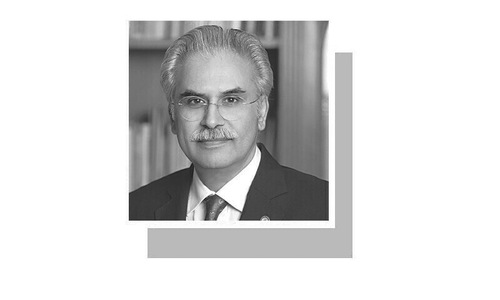
Dr Fazal Ahmad Khalid, GIK Rector, highlighted the significance of the conference in addressing climate change and its impacts on infrastructure.
He mentioned that the discussions and ideas shared would help build infrastructure that could withstand the challenges of climate change.
Tauha Ali emphasised the role of civil engineering in integrating climate resilience into infrastructure projects, adopting nature-based solutions that enhance ecosystem services, and prioritising sustainable resource management practice to help safeguard natural resources and build more resilient communities and economies.
Dr Attaullah explained the advanced techniques for assessing natural hazards, modelling their impacts and implementing risk mitigation measures.
Dr Aneel Kumar, Pro Vice-Chancellor, Mehran University, and Dr Shazim Ali Memon from Nazarbayev University, Kazakhstan, also spoke.
The conference also provided a platform for young researchers and students to showcase their work and learn from experienced professionals, encouraging collaboration and mentorship within the industry.
Published in Dawn, February 13th, 2024