The World Bank’s board of executive directors approved $350 million in financing for the Second Resilient Institutions for Sustainable Economy (RISE-II) operation in Pakistan on Tuesday.
Najy Benhassine, World Bank’s country director for Pakistan, in a statement highlighted that this project completes the initial phase of “tax, energy and business climate reforms” aimed at improving fiscal revenues and stimulating competition and investment.
RISE-II aims to strengthen fiscal management and promote competitiveness for sustained and inclusive economic growth in the country whose economy is struggling to grow, with persistently high inflation and foreign reserves running low.
“Based on the foundations laid through RISE II and parallel support by other IFIs, Pakistan has the opportunity to tackle long-standing structural distortions in its economy after the upcoming general elections,” Derek H. C. Chen, task team leader of the operation said in a statement.
“Failing to use this opportunity would risk plunging the country back into stop-and-go economic cycles,” Chen added.
The operation also aims to foster growth and competitiveness by reducing the cost of tax compliance, improving financial sector transparency, encouraging the use of digital payments and promoting exports by lowering import tariffs, the World Bank said in its statement.
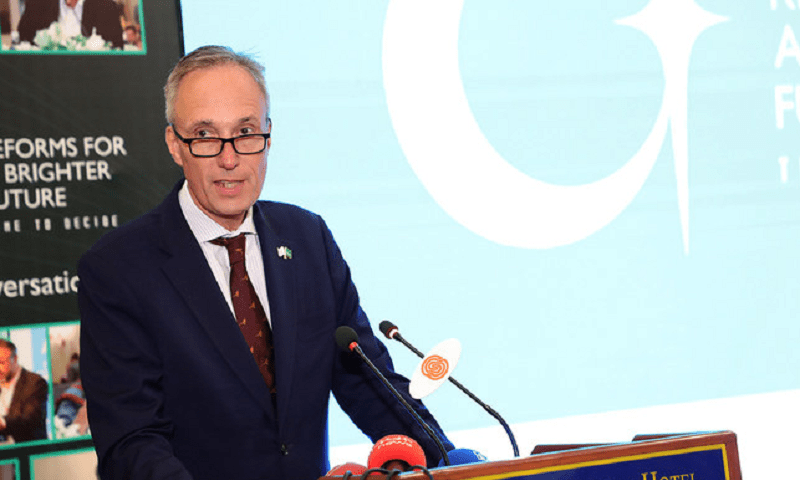
At a conference last month, World Bank Regional Vice President for South Asia Martin Raiser had cautioned Pakistan against short-term measures like domestic debt restructuring and attracting one-time investment through a new civil-military initiative, without addressing the country’s big picture issues through reforms aimed at improving the larger business climate, taxation and human capital.
The “creation of a new institution is no quick fix” to bring investment without improving the taxation system, competitive market conditions and state-owned entities, he had said.
Previously, in a report, the global lender had also emphasised that fiscal reforms and sustainable growth were critical for Pakistan.
“Careful economic management and deep structural reforms will be required to ensure macroeconomic stability and growth,” it had said.