• Advises bringing agriculture, real estate and retail sectors into tax net, collecting more revenue up to 4pc of GDP
• Urges simplifying income tax structure
• Focuses on taxing untapped wealth within provincial jurisdictions
• Current tax-free threshold stays unchanged
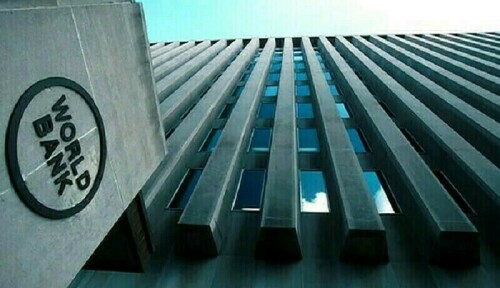
ISLAMABAD: The World Bank (WB) on Monday urged Pakistan to close all tax exemptions and bring incomes from agriculture, properties and retail businesses under the effective tax net to generate an additional revenue of up to four per cent of GDP (about Rs4 trillion) in the short term.
Speaking at a media briefing, WB’s Country Director Najy Benhassine and senior economist Tobias Haque said the people in two major areas in the provincial jurisdiction — real estate and agriculture — had most of the untaxed wealth, which should be taxed by the provincial governments to be able to improve services and reduce the financial burden on the centre, which was financing these services.
Mr Haque said that real estate and agriculture should yield a revenue of 2pc and 1pc, respectively, of the GDP (or about Rs2.1 trillion and Rs1tr, respectively, according to official GDP size).
He said the bank had submitted a detailed policy paper to the government in this regard. The paper advocates increasing revenues through improved, expanded and progressive agriculture income taxation. This should be done immediately to “reduce or refine the current 12.5-acre tax exemption threshold to bring more agriculture land into the tax net” and ensure appropriate categorisation of land on the basis of size, location, irrigation status and area-based productivity aspects into tax rates.
Also, provincial governments could immediately increase land taxation to 2pc of GDP by establishing reliable records of land ownership, harmonising the three valuation systems currently in use, and increasing property tax rates to match comparable countries.
There is also a need for an improved policy and legal framework to ensure that sizeable and growing peri-urban settlements outside current notified municipal boundaries are subject to appropriate land taxation.
The policy notes highlighted that Pakistan’s revenue collection is among the lowest in the region, while tax rates on existing taxpayers are among the highest, showing rigid tax base in the absence of key sectors — agriculture, real estate and retail sector — paying their due share. Pakistan’s total revenue collection averaged 12.8pc of GDP in past decade, substantially lower than South Asian average of 19.2pc. Ironically, on top of that, total revenue has been declining over time.
Mr Haque said the bank advocated reform advice to Pakistan mainly focusing on broadening the tax base by bringing individuals and individually-owned businesses, including retailers, into the tax system, reducing the tax-free threshold, and simplifying the structure of the personal income tax. However, it did not advocate lowering income tax exemption for salaried people to Rs50,000 per month.
“The World Bank certainly does not recommend any reduction in the current nominal threshold,” a WB note said, but conceded that how it was framed may have indeed been misleading.
The bank also recommended that Pakistan should simplify its income tax structure, including aligning it for both salaried and non-salaried individuals, while ensuring progressivity. The exemption limit should be determined based on updated analysis, taking into account recent inflation and labour market changes to ensure that low incomes are not adversely affected.
More importantly, the WB advocated a comprehensive package of tax and expenditure reforms to reduce unsustainable fiscal deficits. It emphasised the need to protect the poor throughout the reform process, including through increased social protection expenditures.
“Reforms should include reducing subsidy expenditures, closing regressive tax exemptions, and increasing taxation of high-income earners, including via improved taxation of agriculture, property, and retail sectors,” it said, insisting that “most importantly, this reform should increase progressivity of the system.
Published in Dawn, October 10th, 2023