0
0
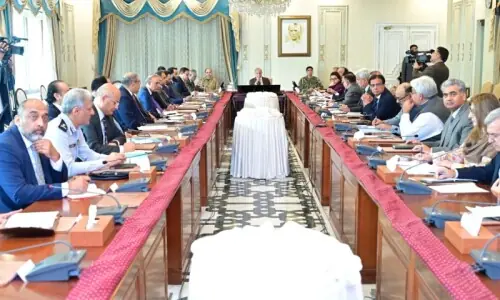
KARACHI: Health experts at a seminar held at Dow University of Health Sciences (DUHS) underscored the need for providing equal attention and opportunities for health and education to girls, especially in their childhood, as the prevalent cultural and social practices put them at an increased risk of exploitation.
The programme was jointly organised by Dow Medical College and Dr Ruth K. M. Pfau Civil Hospital Karachi in connection with the International Day of Girl.
Expressing concern over the discriminatory societal mindset, the experts said the girl child experienced neglect from her birth and that many girls were disowned and abandoned by their parents.
“In fact, discrimination begins even before their birth. We all know that ninety nine percent of the newborns dumped in garbage dumps in our country are girls,” Prof Ammarah Jamal regretted, adding that Pakistan had a high number of abandoned babies.
She emphasised the need for empowering women, not only through education but also professional and vocational training.
“However, it’s equally important to educate our sons. If we don’t, they will continue with the same negative practices as the generations before them. A cultural change must strike the right balance,” she said, pointing out that Islam was the first religion to forbid burial of daughters alive.
Dr Waseem Jamalvi of Pakistan Paediatric Association cited a report of a non-profit organisation, according to which 12 children fell victim to sexual abuse daily in the first quarter of year 2023. A greater number of the victims were girls.
“Ending discrimination and ensuring protection to girls is a continued challenge for which all stakeholders need to unite and play their part. Together, we can build a society where every girl has the chance to grow, thrive and make an invaluable contribution to society,” he added.
Prof Fehmina Arif highlighted how early marriages adversely impacted girls, emphasising that parents should appreciate their daughters’ thoughts and ideas.
“We must discourage early marriages and empower girls. Workplaces should have a conducive environment for everyone,” she said.
Prof Aisha Mehnaaz said women must have control over their lives to truly contribute to society. Talking about social media platforms and internet use, she advised girls to be careful in their use.
“Most relationships on online and social media sites are based on falsehood,” she said, suggesting that girls should focus on enhancing their personality by increasing knowledge.
Registrar DMC Dr Ashar Afaq briefed the audience about the university’s anti-harassment cell and said the laws regarding harassment and sexual misconduct were strictly enforced at the university.
Prof Muzammil Shabana Ejaz and DMC’s Vice Principal Dr Shumaila Khalid also spoke.
Published in Dawn, October 18th, 2023