0
0
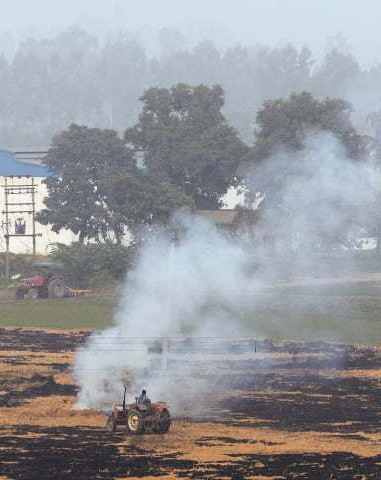
THE harvesting season of rice crop has kicked off in the country. The straw residue of rice is burnt immediately after harvesting in order to make the fields ready for sowing the next crop, wheat. It is a common practice in the wheat-rice belt of Punjab. Smog and polluted air are the outcomes of this climate-damaging activity.
A recent report by the Energy Policy Institute at the University of Chicago has claimed that air pollution may reduce the lifespan of those living in Lahore, Sheikhupura and Peshawar regions by up to four years. This is alarming.
The factors that contribute to the problem include a lack of relevant tools, knowledge and resources. In 2019, the government had taken action to discourage the burning of crop residue, but it was not fully implemented.
We can use smart strategies, like the ones implemented in India and China, such as conditional cash transfer. Besides, the use of equipment, like straw shredders, happy seeders, rotavators and rice straw choppers, can help eradicate this problem. Farmers can use the crop residue as fodder for livestock. Administrative activism in collaboration with rural communities and associations can be helpful in educating farmers in this regard.
As the saying goes, prevention is better than cure. We can minimise this problem through collective efforts before it becomes uncontrollable. We should make a beginning this season to give our future generations a chance of having a better and safer life.
Aamir Sohail
Sargodha
Published in Dawn, October 17th, 2023