0
0

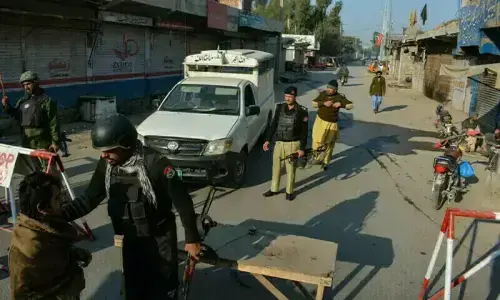
THE weeklong closure of the Torkham crossing between Pakistan and Afghanistan has had a detrimental effect on bilateral relations, with trade ties particularly affected, while causing considerable human misery to those wishing to cross the border. Trouble started on Sept 6 when both sides traded fire.
According to authorities here, the Afghans had started building an “unlawful structure” on Pakistani territory, while Afghan troops resorted to “indiscriminate firing” when they were confronted over the disputed construction.
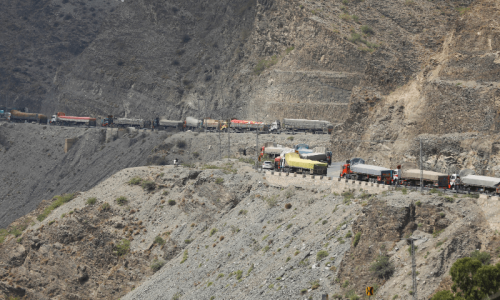
Meetings between officials from both sides have failed to resolve the dispute, with the result that hundreds of vehicles remain stranded, waiting to go across the border, while people wishing to get to the other side have also been left high and dry.
The cost of the closure has reportedly resulted in losses worth hundreds of millions of rupees, with perishable items — including fruit and vegetables from Afghanistan — not getting to market and rotting in the hot weather.
Comments made by the Taliban-led regime in Kabul taking a swipe at Pakistan’s economic troubles have certainly not helped cool tempers, as the Afghan side referred to Pakistan “being heavily dependent … on exports in the current situation”. The Foreign Office has been critical of the Taliban’s ‘unsolicited advice’.
Friction has occurred at the Torkham border in the past as well; the fact is that territorial disputes between Pakistan and Afghanistan date back to the time of this country’s independence.
However, the Afghan Taliban need to be mindful of Pakistan’s sensitivities, and refrain from construction activities on disputed territory. Higher-level exchanges are required to properly demarcate disputed border regions, so that these irritants are permanently addressed.
Moreover, traders and the general public on both sides are suffering from the extended border closure, which is why officials from Islamabad and Kabul need to reopen the crossing as soon as possible.
Torkham is a key conduit in Afghan transit trade, but Pakistan’s security concerns, as well as respect for this country’s territorial sovereignty, must be addressed by Kabul’s rulers to ensure cross-border economic activities continue smoothly.
Meanwhile, Pakistan’s desire to establish strong trade and energy linkages with Central Asia cannot be fulfilled unless there is a cordial relationship with and security guarantees from Kabul. Trade through official channels is a mutually beneficial proposition, but only if there is conflict-free border management.
Published in Dawn, September 13th, 2023