0
0

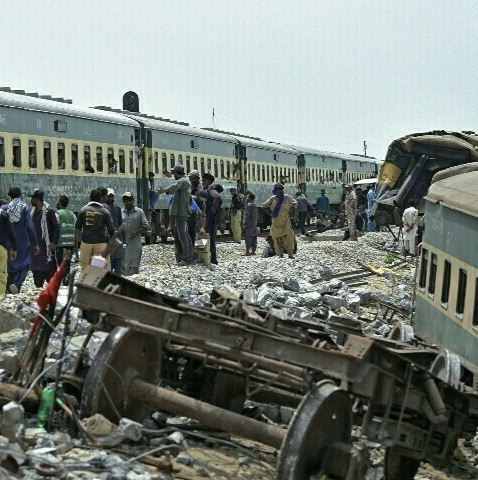
TRAIN accidents in Pakistan have become an alarming and recurring issue, manifesting as derailments, collisions and other incidents causing substantial damages both in terms of human and infrastructure costs. The frequency of such tragedies demands urgent attention to overhaul the country’s railway safety mechanism. The most recent incident, which occurred on Aug 6, involved a Rawalpindi-bound train that derailed and overturned near Nawabshah, leading to a devastating toll of 30 fatalities and over 90 injuries.
Poorly maintained or damaged railway tracks have emerged as one of the primary culprits behind derailments and mishaps, underscoring the urgency of implementing regular inspections and maintenance protocols.
Moreover, human error, stemming from inadequately trained operators, signalmen and other railway personnel, also plays a significant role in such occurrences, necessitating a stringent focus on training and adherence to safety protocols. The failure of essential equipment, such as brakes or signalling systems, further exacerbates the situation, calling for stringent maintenance and reliable equipment standards. Addressing the issue of overcrowding in trains is equally vital, as operating within capacity limits is crucial to ensuring passenger safety.
Additionally, Pakistan’s diverse weather conditions pose a considerable challenge for train operations, particularly during heavy rain, flooding and/or fog, elevating the risk of accidents. Implementing robust weather monitoring systems and enacting safety protocols during adverse weather conditions is of utmost importance in mitigating these risks. Equally concerning are collisions with vehicles or obstacles at level crossings, emphasising the necessity for well-designed crossings and clear tracks.
To address the train safety crisis in Pakistan and ensure the wellbeing of passengers and railway staff, comprehensive measures must be adopted without delay. These include the implementation of stringent safety protocols, the modernisation of railway infrastructure, regular inspections and maintenance, thorough training of railway personnel, and strict adherence to safety regulations and protocols.
By diligently addressing these factors, the railway system can be transformed into a safe and secure mode of transportation, protecting countless lives and preventing further tragedies. Collective efforts are needed to make Pakistan’s trains safer for everyone.
Dr Intikhab Ulfat
Karachi
Published in Dawn, September 13th, 2023