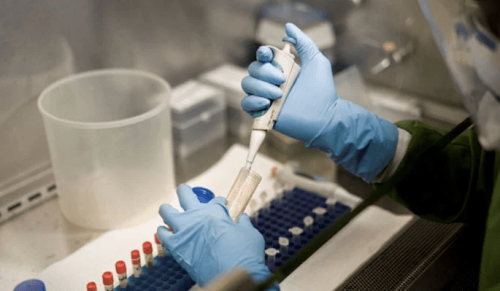
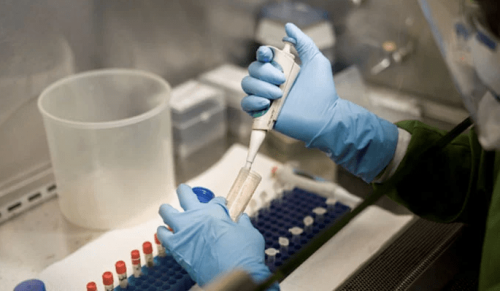
ISLAMABAD: Wild poliovirus, genetically linked to Afghanistan, has been detected in the sewage system in Lahore, the National Institute of Health (NIH) confirmed on Wednesday. It was the third positive sample from District Lahore this year.
The Pakistan Polio Laboratory at the NIH claimed in a statement that the virus was genetically linked to a virus detected in Kandahar, Afghanistan in May.
Health Minister Dr Nadeem Jan said that Pakistan and Afghanistan were together in the fight against polio.
“Thankfully, we have seen a sharp reduction in the numbers of children paralysed by polio from last year to now, but the continued detection of the virus remains a cause of concern,” he said.
“We are vigilantly monitoring the situation and will work more closely together with Afghanistan. Neither Pakistan nor Afghanistan can be free of polio until both countries can interrupt transmission,” he said.
This new detection from Lahore takes the total number of positive environmental (sewage) samples in Pakistan to 17. Two children have also been left paralysed by polio this year, both of them from Bannu.
Earlier, a sample was also detected in Seraye Kala, a union council of Taxila tehsil located on Peshawar Road and frequently used by travellers from northern corridor, extending to Afghanistan, was found linked to YB3A cluster, which is active in Nangarhar.
Dr Shahzad Baig, Coordinator of the National Emergency Operations Centre, said the samples being detected with genetic links to Afghanistan have been on the rise, but the programme has successfully managed to ensure that the virus does not establish circulation.
“Our vigilant virus surveillance system has consistently been swift in identifying threats, and we have adopted a proactive and robust approach to all detections, prioritising the health and safety of every child,” he said.
The last polio case from Lahore was in July 2020, but the virus has been periodically detected in its sewage. In 2022, four environmental samples were found positive for wild poliovirus in Lahore district.
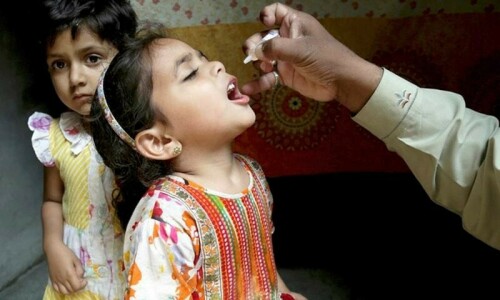
The last polio vaccination campaign in Lahore was conducted from May 15 to May 21, while a nationwide campaign will begin from the last week of September. To promptly identify the circulation of the polio virus, Punjab has established 31 sampling points for polio detection across 19 districts.
Asif Chauhdary from Lahore also contributed to this report
Published in Dawn, August 31st, 2023